This article explains how UVC water disinfection inactivates microorganisms in...
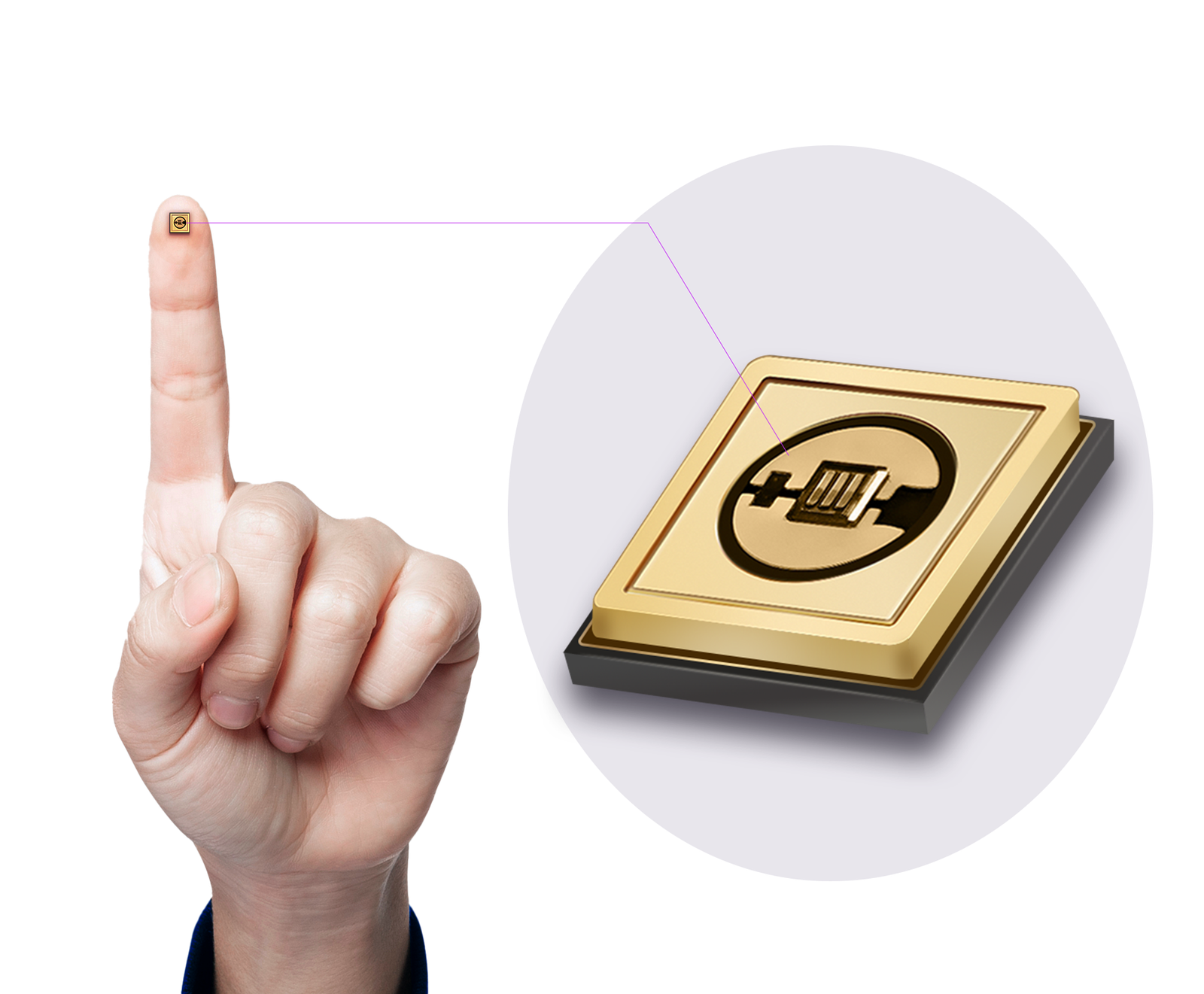
UVC LED is a semiconductor‑based light source that emits “deep‑ultraviolet” (UVC) light, and in recent years it has become increasingly common in applications such as air disinfection, water purification, and surface sterilization. Unlike traditional UV lamp tubes, UVC LED are compact “deep‑UV chips” fabricated on semiconductor substrates, offering a small, energy‑efficient, and environmentally friendly alternative to mercury‑based ultraviolet sources.
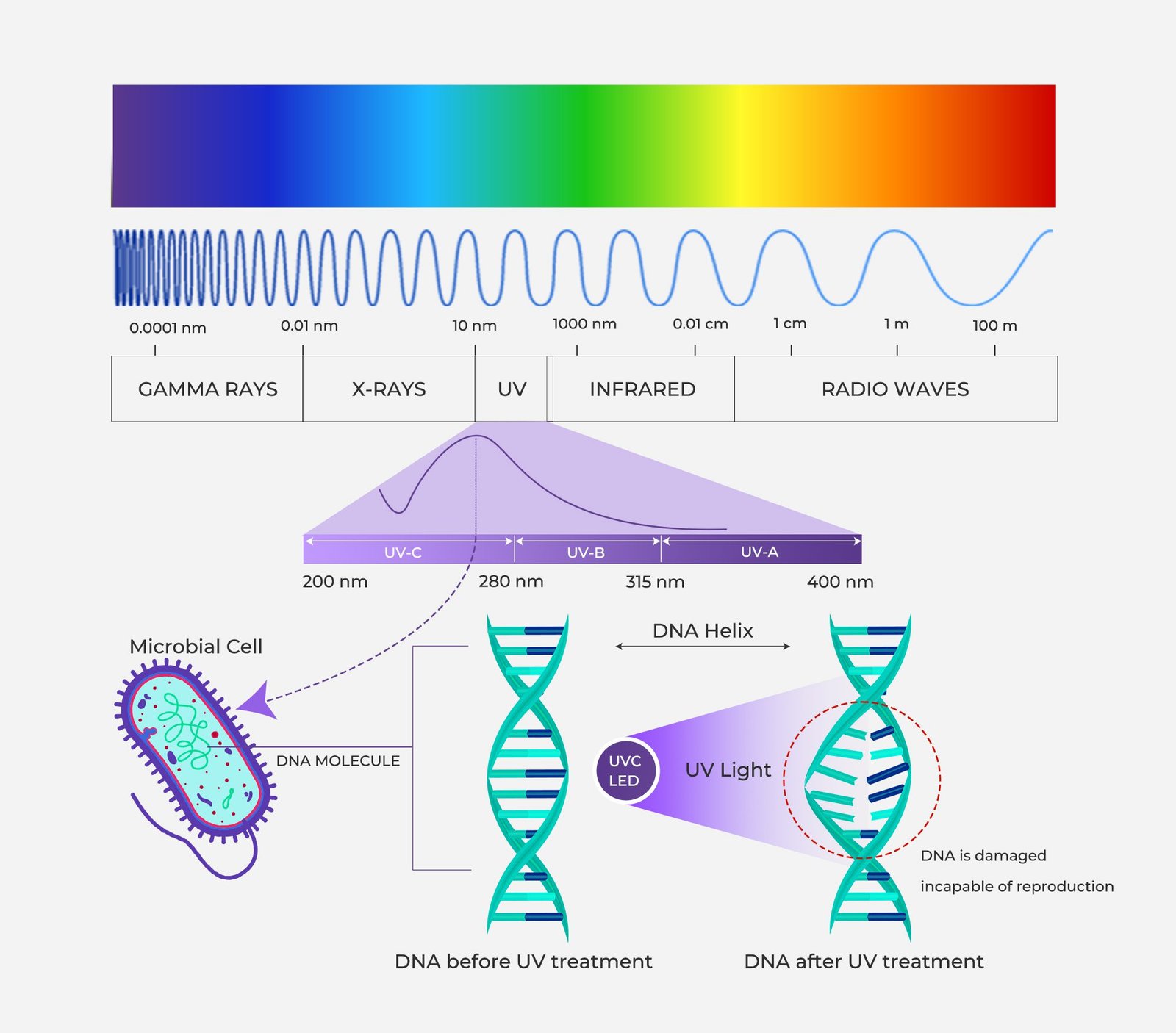
UVC is often called “germicidal ultraviolet” or “deep UV.” In nature, almost all UVC is absorbed by the ozone layer and does not reach the Earth’s surface, so there is no “natural UVC sunburn.” Precisely because UVC does not occur naturally at ground level, people can safely use it in enclosed spaces or devices to irradiate bacteria, viruses, and molds, damage their genetic material, and inhibit or terminate their replication ability, even leading to direct inactivation.
In other words, UVC disinfection is a “physical” sterilization method: it does not rely on chemical disinfectants, so it leaves no chemical residues on water or surfaces, making it increasingly popular in environmental and health‑oriented applications.
UVC LED, short for Ultraviolet‑C Light‑Emitting Diode, is a semiconductor light source. Instead of exciting mercury vapor in a glass tube, UVC LED emit ultraviolet light directly from semiconductor materials—such as aluminum gallium nitride (AlGaN)—by applying current across a PN junction and causing electron‑hole recombination that releases UVC photons.
In contrast, traditional UV lamps are mostly low‑pressure mercury lamps or amalgam lamps: they contain mercury vapor inside a quartz tube, and when energized, the mercury discharge emits UV, with the strongest germicidal peak concentrated around 253.7–254 nm.
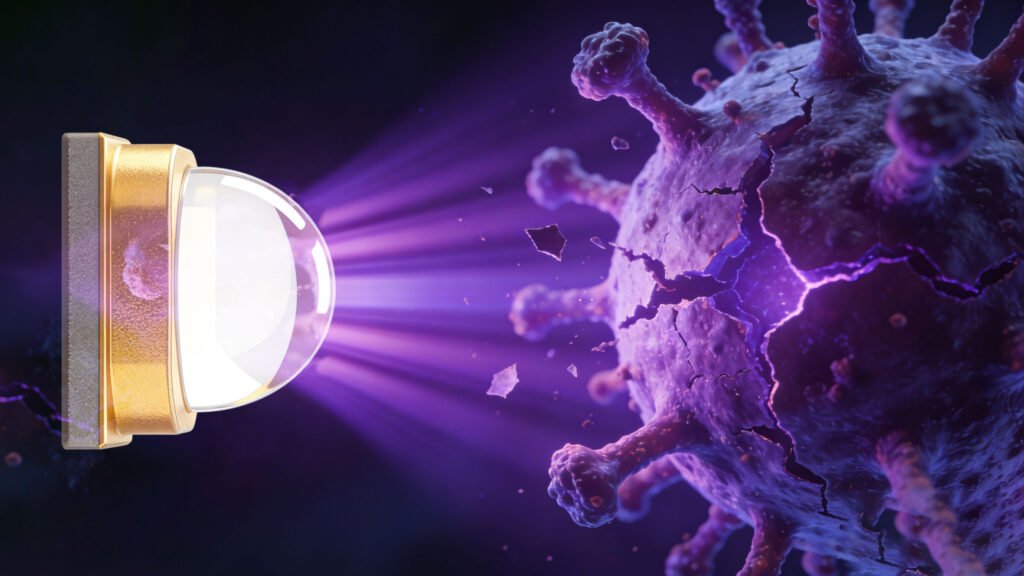
In short, UVC LED are “semiconductor deep‑UV chips” that generate light via a semiconductor structure, rather than relying on traditional vacuum or gas‑discharge tubes.
Both UVC LED and traditional mercury lamps are “UV germicidal light sources,” but they differ significantly in principle, environmental impact, efficiency, and application scenarios.
|
Parameter
|
Traditional mercury lamp
|
UVC LED
|
|---|---|---|
Although the upfront cost is still higher, UVC LED offer better long‑term value, especially in applications that emphasize environmental safety, compact size, and controllability.
Owing to their compact size, low power consumption, and precise controllability, UVC LED are penetrating a wide range of consumer and professional domains.
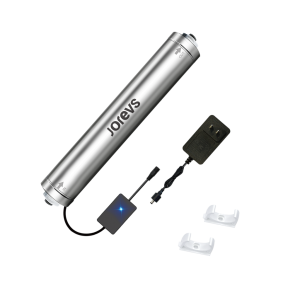
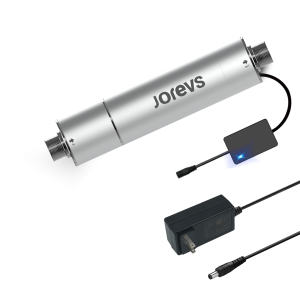
In water treatment, UVC LED are especially well suited for “dynamic water disinfection”: pathogens in a continuous‑flow water stream are inactivated in real time as the water passes through the reaction chamber. Typical use cases include: Household and point‑of‑use water purifiers, pre‑filtration stages, end‑of‑pipe drinking taps, water pitchers, beverage dispensers, and small water‑cooling units. Aquariums, swimming pools, and even small wastewater treatment systems. UVC light damages the DNA and RNA of bacteria, viruses, and some protozoa, providing chemical‑free physical disinfection without altering water taste, smell, or clarity. Modern systems can combine flow sensors, dose‑control algorithms, and helical transparent flow channels to ensure that every drop of water receives sufficient UV dose as it passes through, which is ideal for instant‑boiling or on‑demand drinking‑water systems. This shift from static water‑tank disinfection to continuous “instant‑on, instant‑kill” flow systems moves water purification from scheduled batch treatment to real‑time protection, better aligning with the demand for round‑the‑clock water‑quality safety.
In air purifiers, fresh‑air systems, residential HVAC, or HEPA filter units, UVC LED can irradiate passing air streams to reduce airborne bacteria and viruses and inhibit microbial growth on filters. High‑end designs often adopt a pre‑filter disinfection + filter‑surface irradiation dual structure to sterilize both the incoming air and the filter media itself, reducing the risk of secondary contamination.
Integrated into phone sterilizers, dish lockers, toothbrush sterilizing boxes, small appliances, elevator buttons, and door‑handle cleaners, UVC LED provide rapid surface disinfection. A typical toothbrush sterilizer, for example, completes a disinfection cycle within 30–60 seconds, significantly reducing microbial load on the brush. The “instant on/off” nature of UVC LED makes them ideal for short, intermittent treatments.
The effectiveness of UVC LED disinfection is not just “turn it on and it works”; it depends critically on several physical and operational parameters, among which irradiance and dose are the most important.
1. UVC Irradiance
Definition: The amount of UVC energy incident per unit area per unit time, typically expressed in mW/cm² or μW/cm².
Meaning: Irradiance defines the “light intensity,” i.e., how many UVC photons reach the microorganism each second, directly affecting the inactivation rate.
2. UVC Dose
Definition: Irradiance × exposure time, with units commonly mJ/cm² (equivalent to mW·s/cm²).
Example: If the irradiance is 1 mW/cm² and exposure time is 10 seconds, the dose is 10 mJ/cm².
Meaning: Microbial inactivation is usually strongly correlated with dose; higher dose generally leads to higher log‑reduction, and the relationship can be described by a dose‑response curve for a given organism.
In addition to dose and wavelength, distance to the source, shading, water turbidity, water or air flow velocity, optical path length, and flow‑channel design all influence how much UV actually reaches the target microbes. Therefore, careful design of the UVC LED layout, flow channels, and exposure time is essential for stable, reliable disinfection performance.
When selecting UVC LED devices, prefer products with formal certifications, clear dose information, and safety instructions, and avoid unbranded or DIY lamps without proper testing.
Among all UVC LED applications, dynamic water disinfection stands out as one of the most promising and practical use cases. Consumers and professionals alike are increasingly demanding continuous, chemical‑free protection for flowing water, whether for drinking, bathing, or industrial use.
By combining UVC LED modules with smart flow‑switching design, dose‑monitoring control, and robust stainless‑steel or aluminum reaction chambers, InstaUV’s dynamic water disinfection products help turn traditional “passive filtration” into active, continuous microbial control, ensuring that every liter of water meets elevated safety standards.
If you are exploring chemical‑free, real‑time dynamic water disinfection for your home, commercial space, or industrial system, InstaUV’s 1 GPM and 12 GPM UVC LED‑based water disinfection solutions offer a scalable, energy‑efficient, and mercury‑free path forward.
This article explains how UVC water disinfection inactivates microorganisms in...
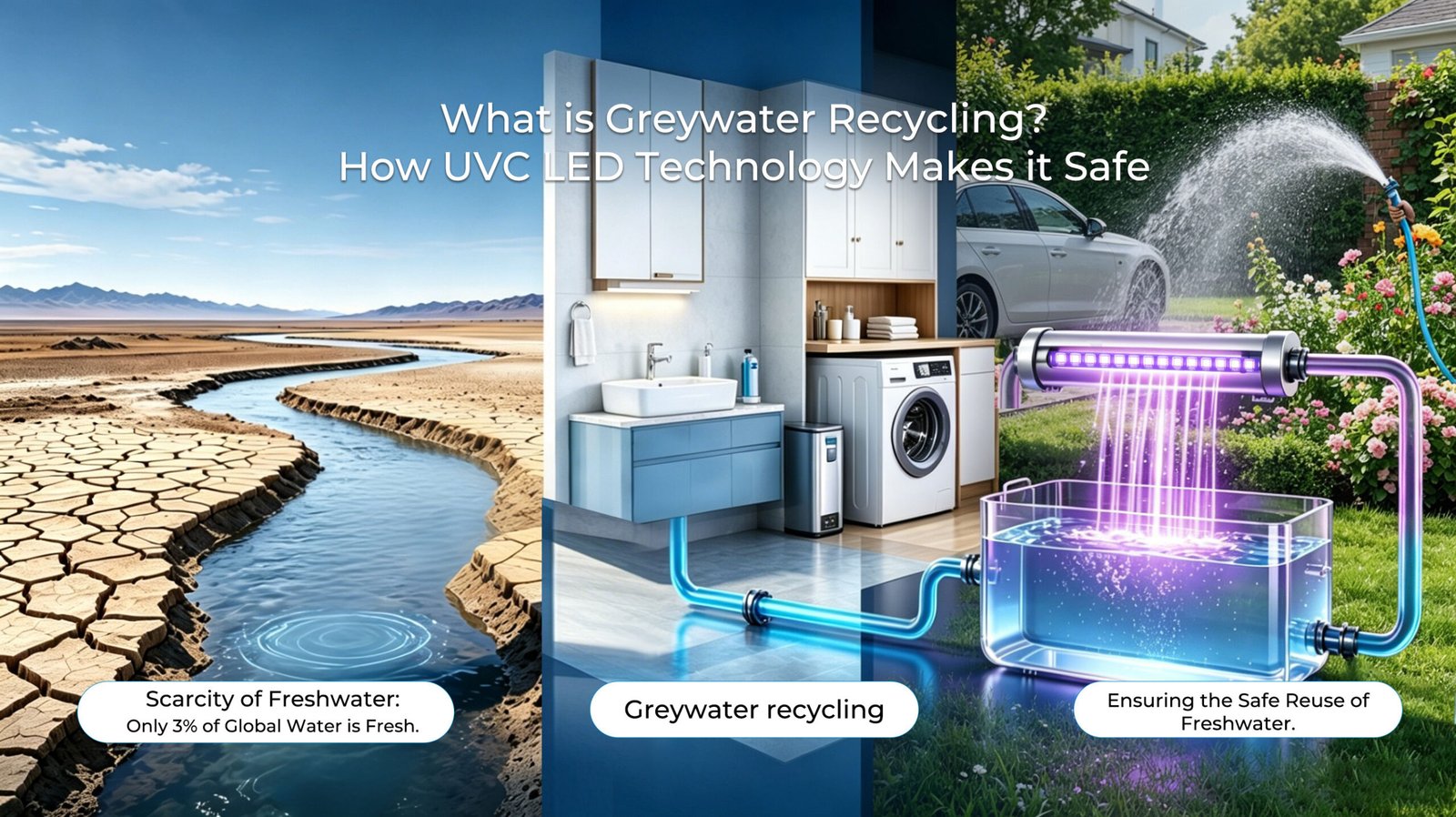
With only 3% of the world's water being fresh, the...
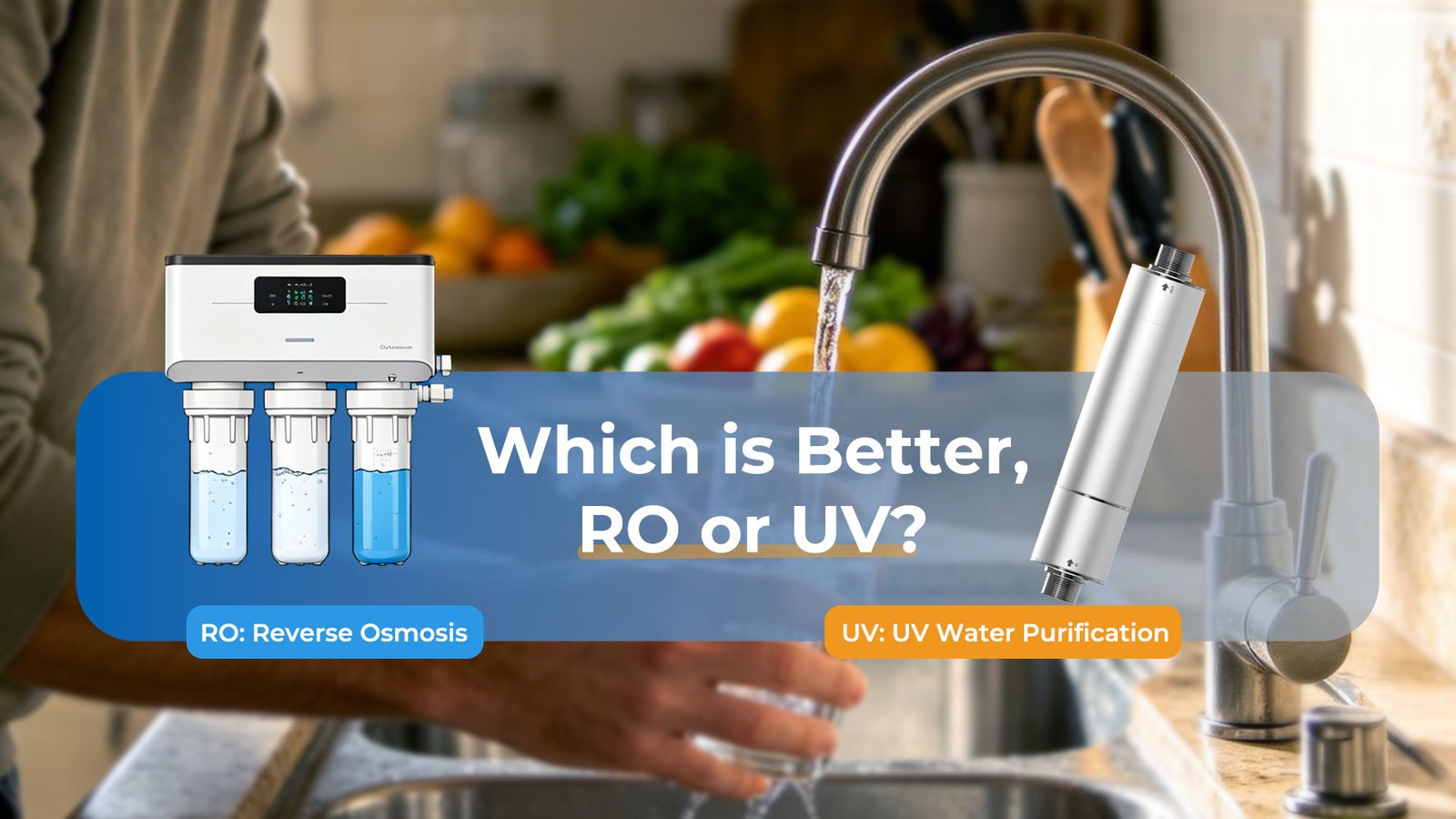
"This article is designed to help consumers make informed decisions...
Be the first to get our R&D updates, case studies, and engineering resources—subscribe now.
© 2026 INSTAUV LLC. All Rights Reserved.
We’re here to help! Reach out with any questions you may have.