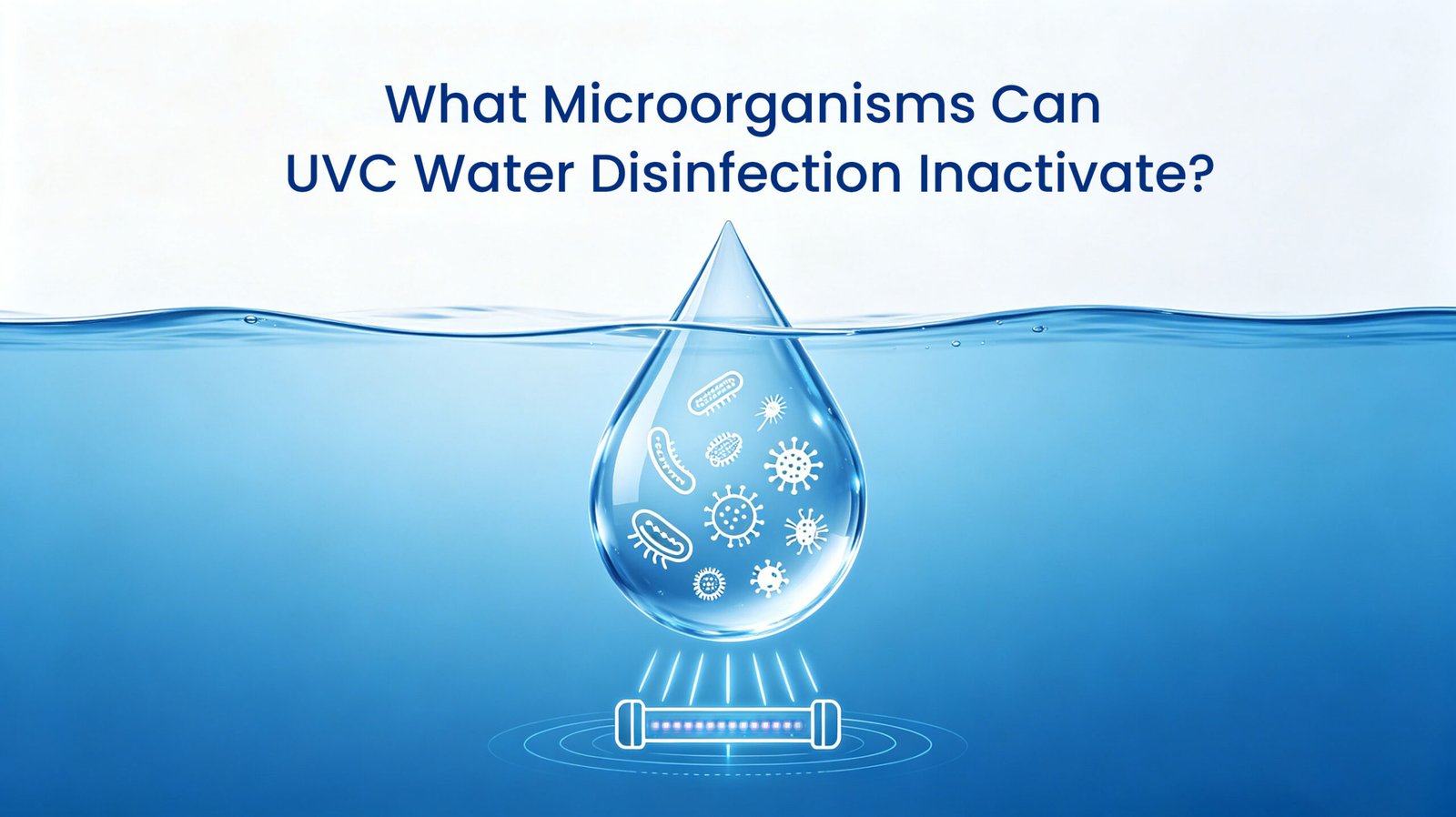
This article explains how UVC water disinfection inactivates microorganisms in...
Drinking water disinfection is a critical step in ensuring water safety. Its core purpose is to inactivate pathogenic microorganisms through physical or chemical methods, thereby reducing the risk of waterborne diseases. Traditional disinfection methods mainly include chlorination, ozone treatment, and ultraviolet mercury lamps. While these methods have proven effective in killing microorganisms over time, they also present several limitations. For example, chlorination may produce disinfection by-products (DBPs) that pose potential health risks; ozone is efficient but costly and unstable; and UV mercury lamps face environmental concerns due to toxic mercury content, leading to their gradual replacement by more eco-friendly technologies.
In recent years, with advances in semiconductor technology, ultraviolet light-emitting diodes (UVC LEDs) have emerged as a promising disinfection solution. With adjustable wavelengths, energy efficiency, and no chemical residues, UVC LEDs are gaining increasing attention. By emitting ultraviolet light in the 200–280 nm range, UVC LEDs disrupt the DNA structure of microorganisms, effectively inactivating them. This technology not only overcomes the shortcomings of traditional methods but also offers a new solution for drinking water treatment.
The core principle of UVC LED water disinfection lies in using deep ultraviolet light at around 275 nm—the “golden wavelength” for sterilization—to physically damage microbial genetic material. As water flows through the disinfection chamber, high-energy UVC photons are absorbed by the DNA or RNA of bacteria, viruses, and parasites. Like invisible molecular scissors, they break chemical bonds in genetic chains, instantly preventing replication and achieving rapid inactivation.
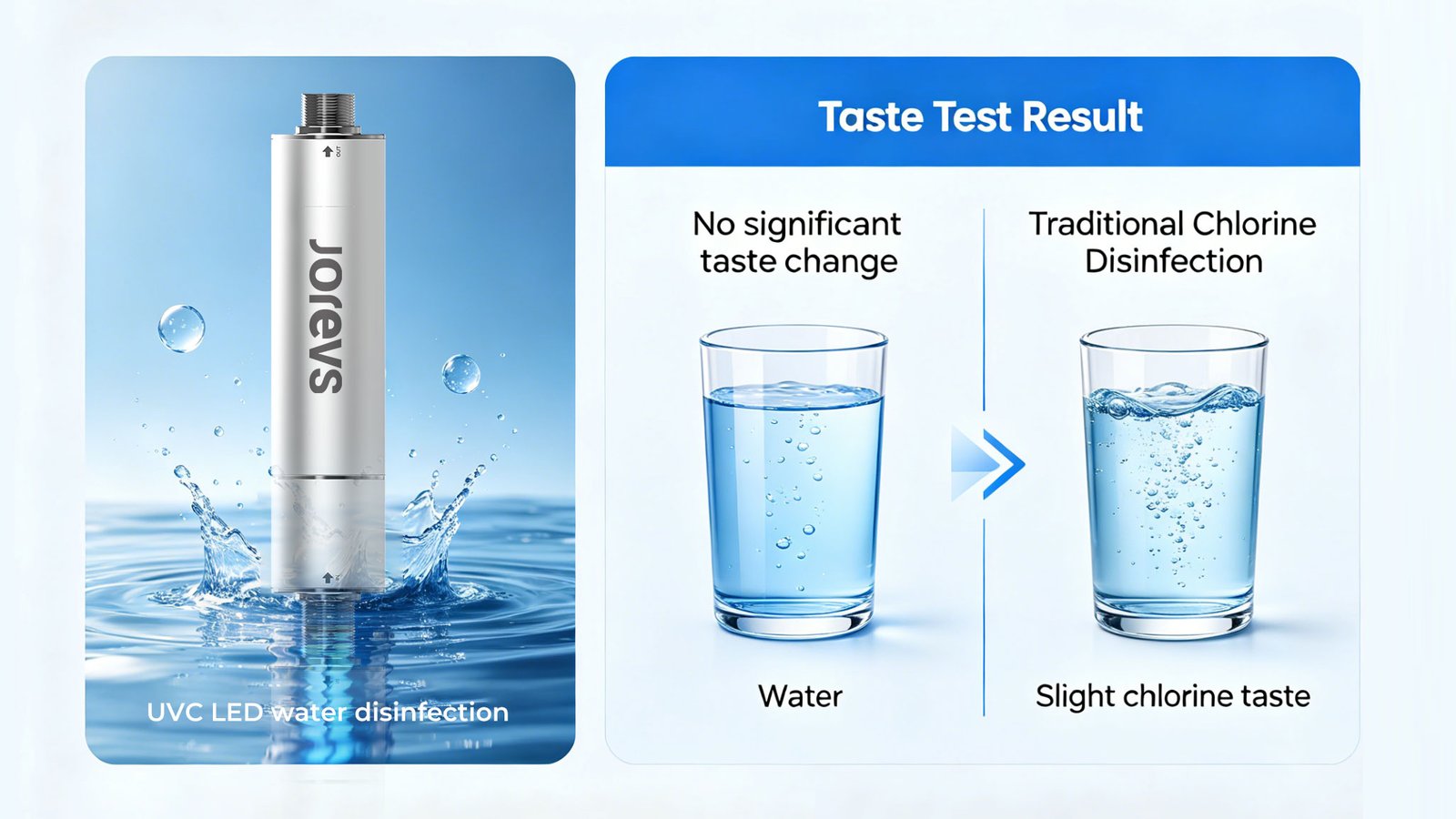
UVC LED is a selective sterilization method that targets only microorganisms without altering water’s chemical or physical properties, so it does not directly affect taste.
Although UVC LED itself does not change taste, perceived differences may arise from:
UVC LED water disinfection achieves an ideal balance between safety and natural taste through its purely physical, chemical-free process. It does not alter mineral content, pH, or dissolved gases, making it one of the few methods that can eliminate microorganisms while fully preserving water’s original flavor.
When choosing a UVC LED system, there is no need to worry about taste changes. Instead, it allows you to enjoy safe drinking water while experiencing its most authentic flavor—the ultimate goal of modern water treatment technology.
This article explains how UVC water disinfection inactivates microorganisms in...
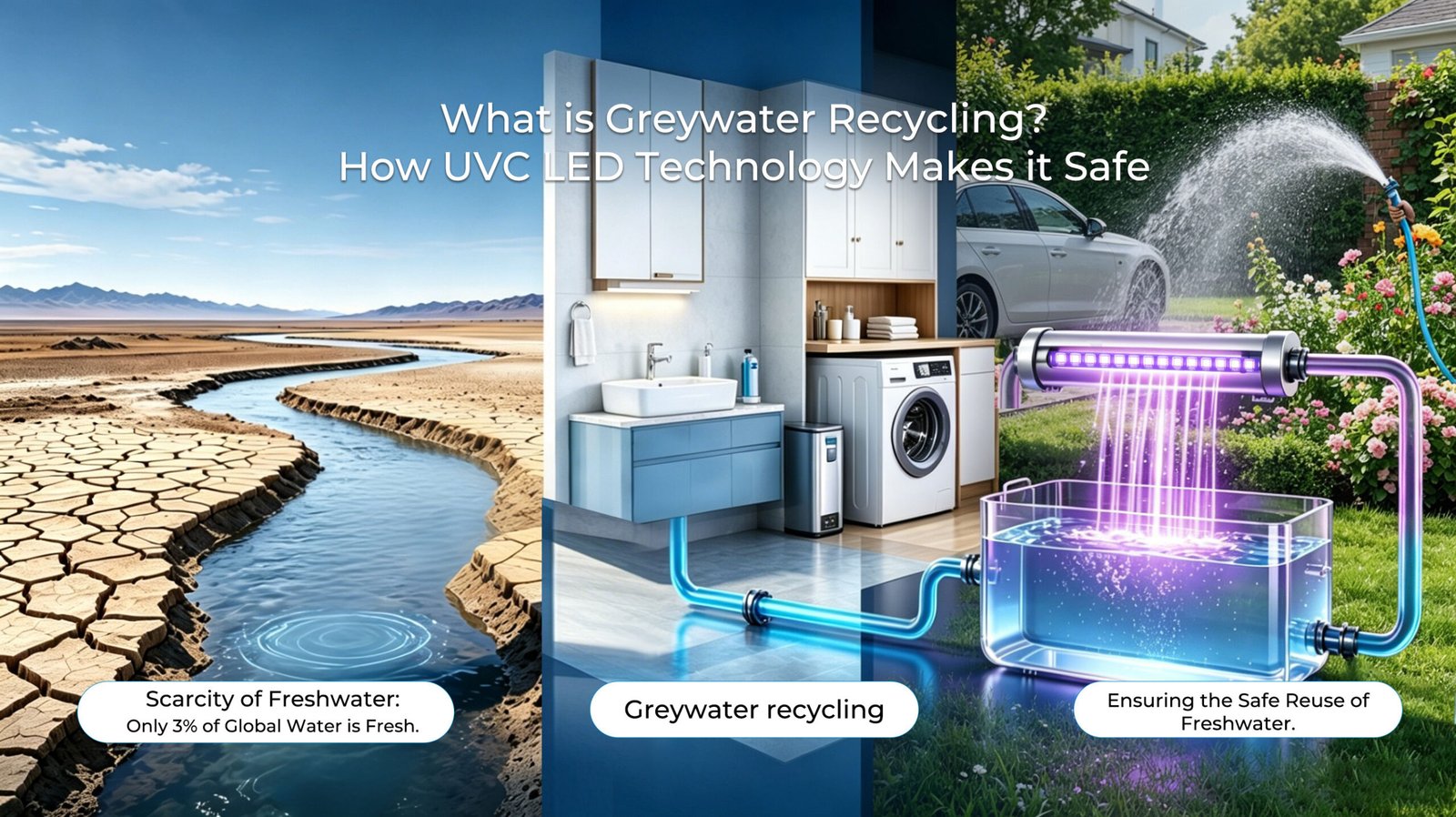
With only 3% of the world's water being fresh, the...
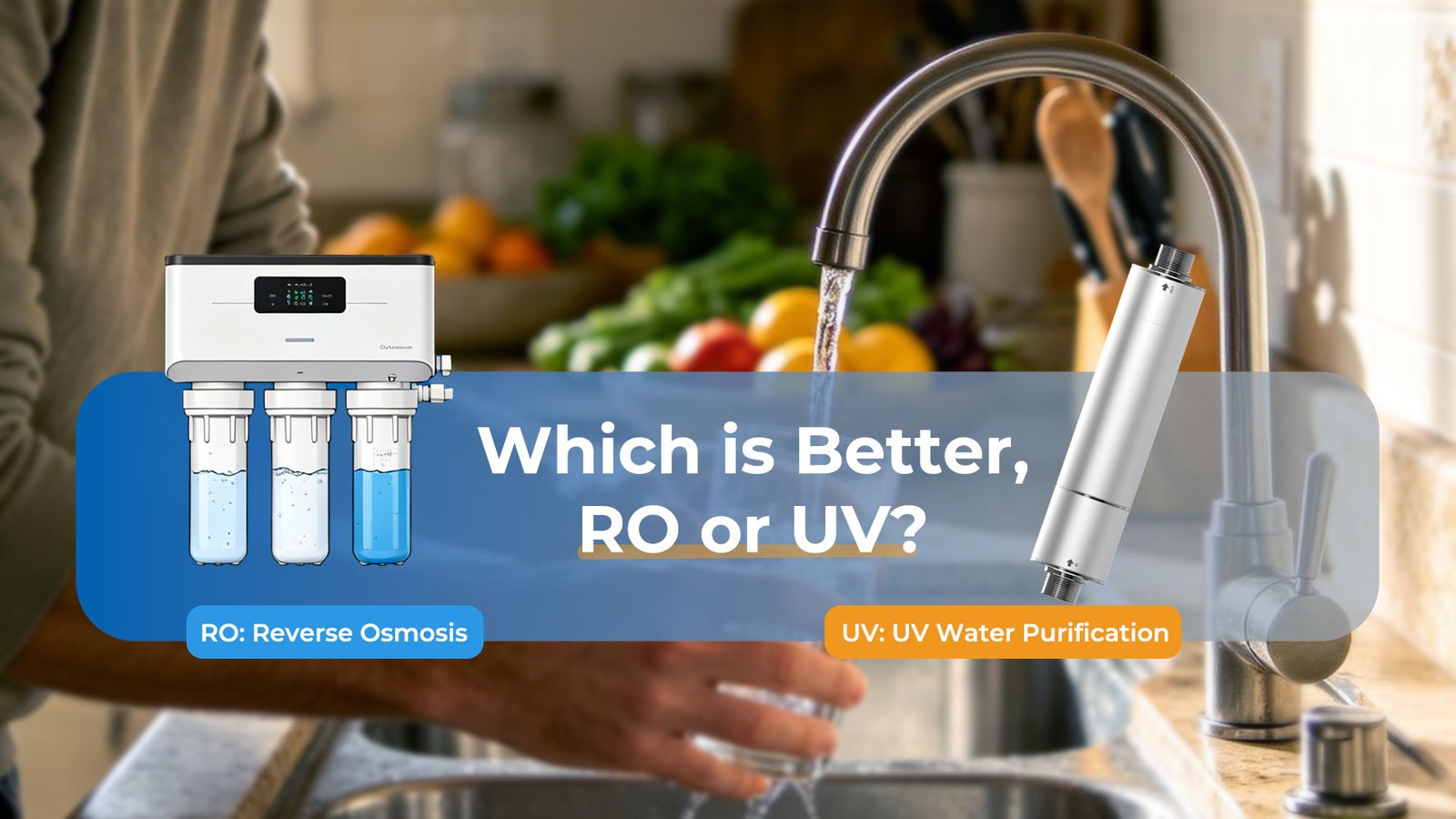
"This article is designed to help consumers make informed decisions...
Be the first to get our R&D updates, case studies, and engineering resources—subscribe now.
© 2026 INSTAUV LLC. All Rights Reserved.
We’re here to help! Reach out with any questions you may have.