Approx. 6-minute read | May 13, 2026
Water is the source of life and the foundation of our daily living and health. It covers 71% of the Earth’s surface and makes up about 70% of the human body. However, rapid industrialization and urbanization have intensified water pollution, making it a global environmental concern. Understanding the types, sources, and health risks of water pollutants—and adopting effective purification technologies—is essential to safeguarding water quality and public health.
Water pollutants are substances that degrade water quality, disrupt ecosystems, and threaten human health. They can be categorized into biological, chemical, and physical pollutants. Based on their origin, they are also classified as point source pollution (e.g., factory discharge outlets) and non-point source pollution (e.g., agricultural runoff).
These mainly consist of disease-causing microorganisms and are the primary cause of waterborne diseases.
Common types: Bacteria (Salmonella typhi, Shigella), viruses (Hepatitis A virus, rotavirus), parasites (Cryptosporidium, Giardia).
Sources: Untreated domestic sewage, hospital wastewater, livestock and slaughterhouse effluents.
These are diverse, widespread, and prone to long-term accumulation in the environment and human body.
Heavy metals: Mercury, lead, cadmium, chromium, arsenic; characterized by bioaccumulation and low degradability. Sources include mining, electroplating, and metallurgical industries.
Organic pollutants: Traditional (pesticides, fertilizers, petroleum hydrocarbons, PAHs) and emerging (antibiotics, endocrine disruptors, microplastics). Sources include agricultural runoff, industrial discharge, and municipal waste.
Inorganic nutrients: Nitrogen and phosphorus, which can cause eutrophication, leading to algal blooms and oxygen depletion.
These alter the physical properties of water and directly impact water quality and ecosystems.
Suspended solids: Sediment and debris that increase turbidity.
Thermal pollution: Discharge of heated water from industrial processes.
Radioactive substances: From nuclear industries or mining activities.
Point sources: Concentrated and easier to monitor, such as industrial discharge points and wastewater treatment plants.
Non-point sources: Diffuse and difficult to control, such as agricultural runoff and urban stormwater.
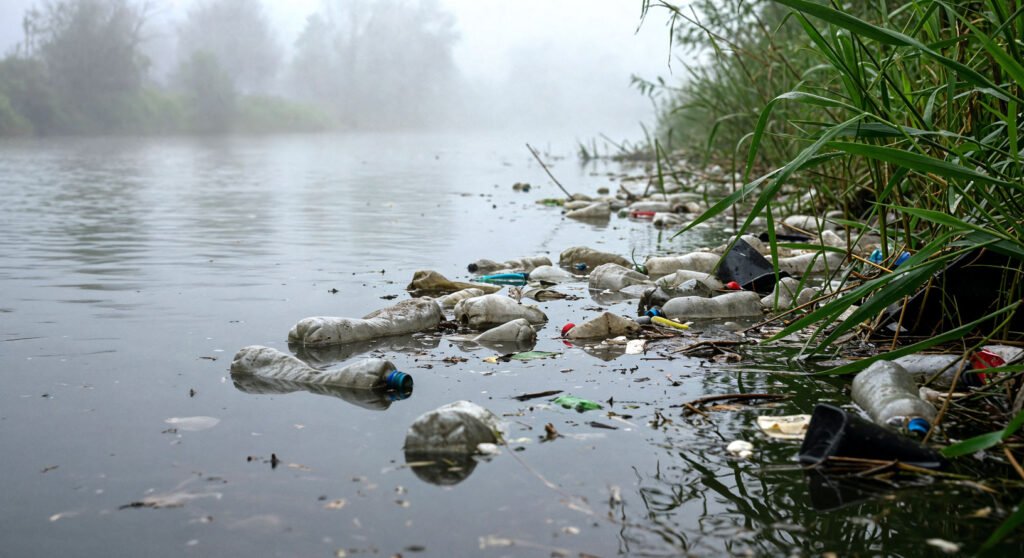
Exposure to contaminated water can lead to acute poisoning, chronic diseases, and long-term carcinogenic effects.
Common diseases: Cholera, typhoid, dysentery, hepatitis A, cryptosporidiosis.
Characteristics: Rapid onset, high transmissibility, often leading to outbreaks.
Heavy metals: Mercury damages the nervous system; lead affects cognitive development; arsenic and chromium are known carcinogens.
Organic pollutants: PAHs and pesticides can cause cancer, mutations, and reproductive toxicity; antibiotic residues promote antimicrobial resistance.
Algal toxins: Such as microcystins from harmful algal blooms, damaging the liver.
Microplastics: Accumulate in the body, causing inflammation and endocrine disruption.
Traditional methods—such as boiling, chlorination, and mercury-based UV lamps—have played important roles but show limitations. Boiling cannot remove heavy metals, chlorination may produce harmful by-products, and conventional UV lamps contain mercury and require warm-up time.
As demand grows for safer, more efficient, and eco-friendly solutions, UVC LED technology has emerged as a breakthrough in water treatment.
UVC LEDs emit deep ultraviolet light in the 270–280 nm range, which penetrates and damages the DNA/RNA of microorganisms, rendering them unable to reproduce. This enables disinfection rates exceeding 99.99%.
Key advantages include:
Chemical-free and residue-free, preserving water taste and pH.
Instant on/off with no warm-up, low energy consumption (only 1/3–1/2 of traditional mercury lamps), and long lifespan.
Mercury-free and environmentally friendly.
Compact and flexible for integration into various systems.
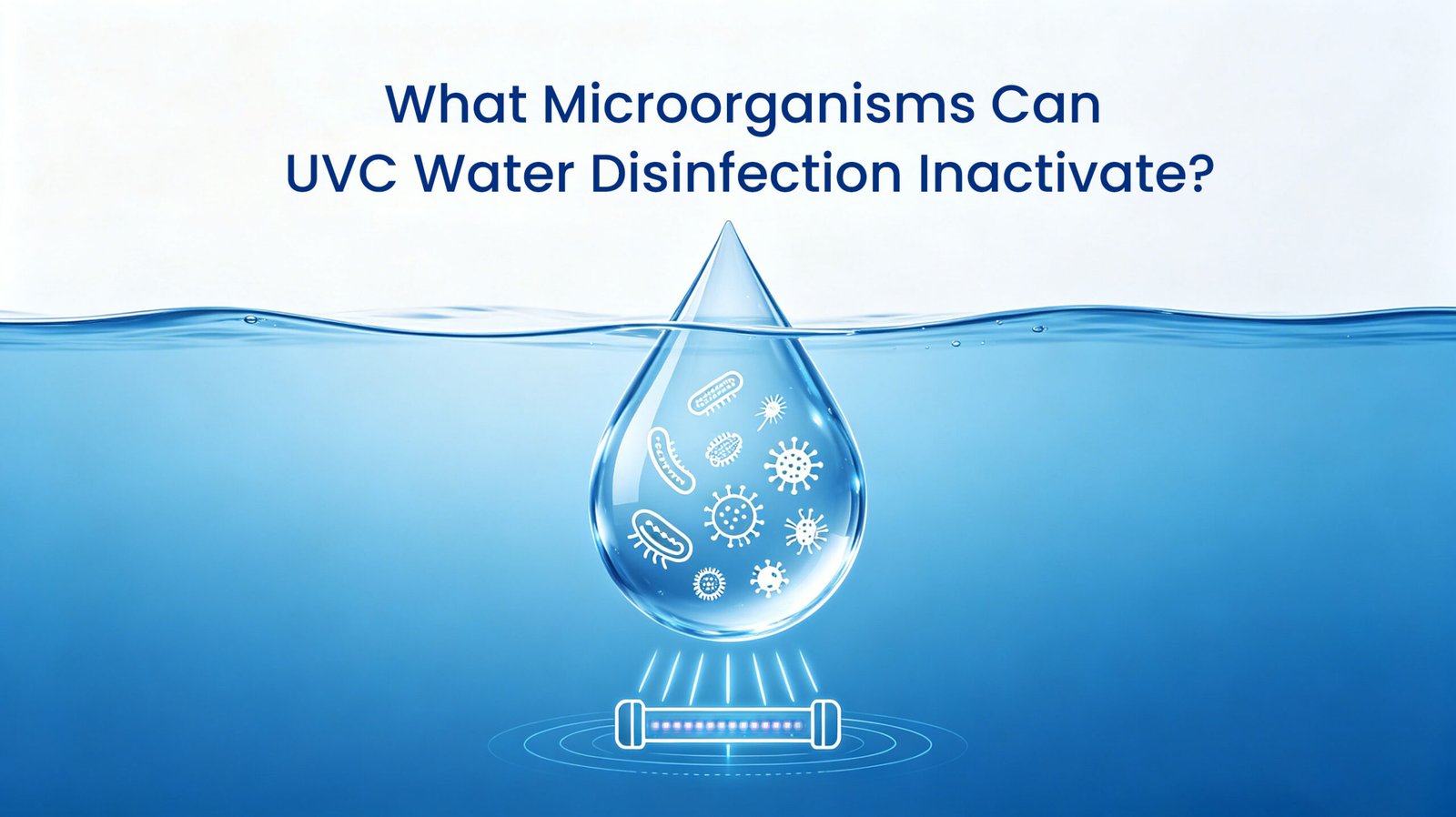
UVC LED is highly effective against biological contaminants:
Bacteria: E. coli, Vibrio cholerae, Salmonella, etc.
Viruses: Hepatitis A, rotavirus, norovirus, coronavirus.
Parasites: Cryptosporidium and Giardia, with inactivation rates up to 99.999%.
Other microorganisms: Mold and algae, helping reduce algal toxin risks.
Note: UVC LED does not remove chemical pollutants like heavy metals or microplastics; it is typically combined with filtration technologies for comprehensive treatment.
UVC LED systems are increasingly used in water treatment plants for advanced disinfection. Hybrid systems combining UVC LED with low-dose chlorine ensure both immediate sterilization and residual protection in pipelines.
Whole-house systems: Protect all domestic water use, including bathing and washing.
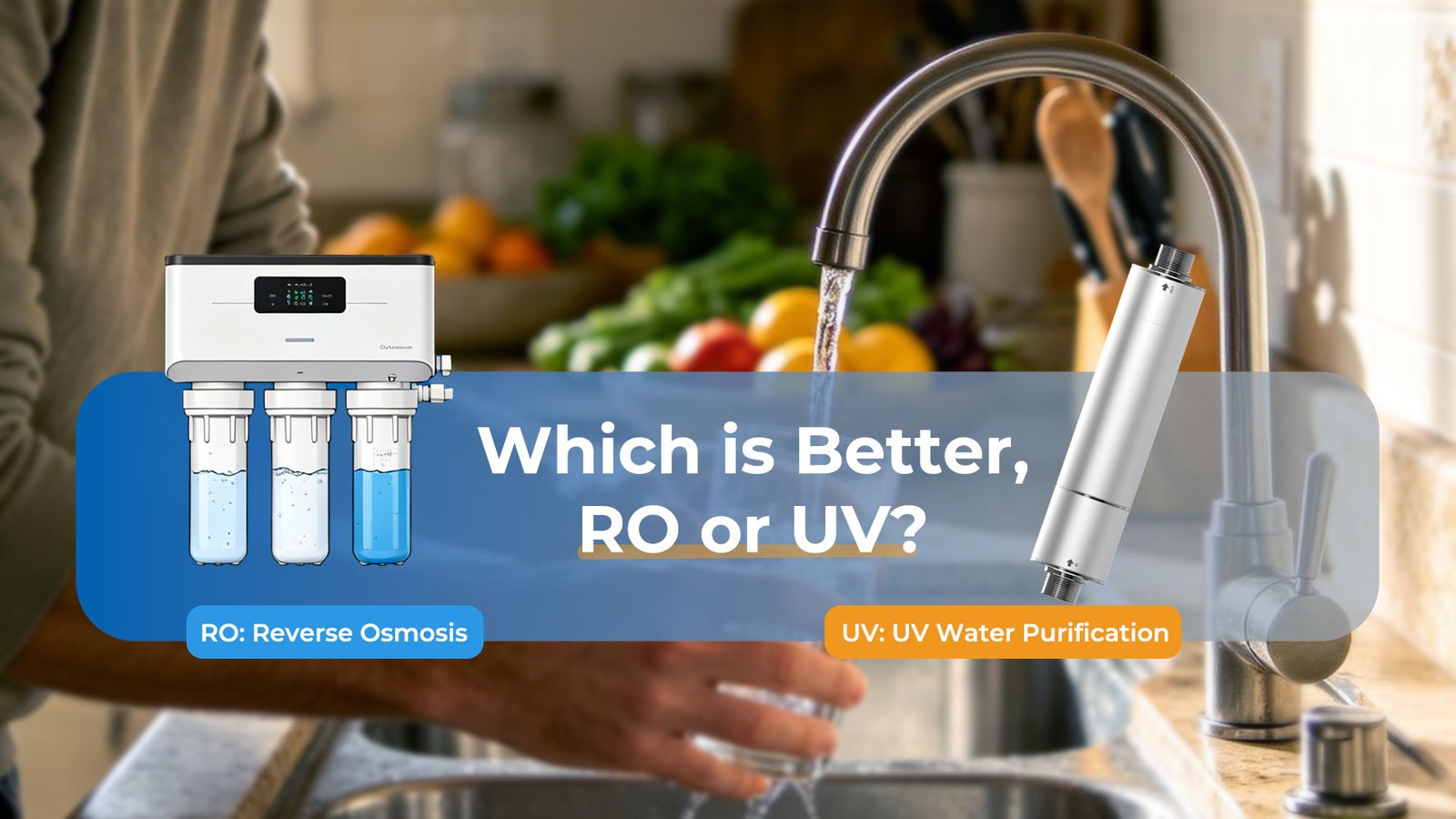
Point-of-use devices: Combined with RO or ultrafiltration systems for sterile drinking water.
Portable devices: Ideal for travel, outdoor use, or emergencies.
Water quality is fundamental to human health and ecological sustainability. UVC LED technology offers a powerful, eco-friendly solution that overcomes the limitations of traditional methods, enabling comprehensive protection from centralized water treatment to point-of-use applications.
By understanding water pollution and adopting advanced technologies like UVC LED, we can better protect our health and ensure a cleaner, safer water future.
Be the first to get our R&D updates, case studies, and engineering resources—subscribe now.
© 2026 INSTAUV LLC. All Rights Reserved.
We’re here to help! Reach out with any questions you may have.