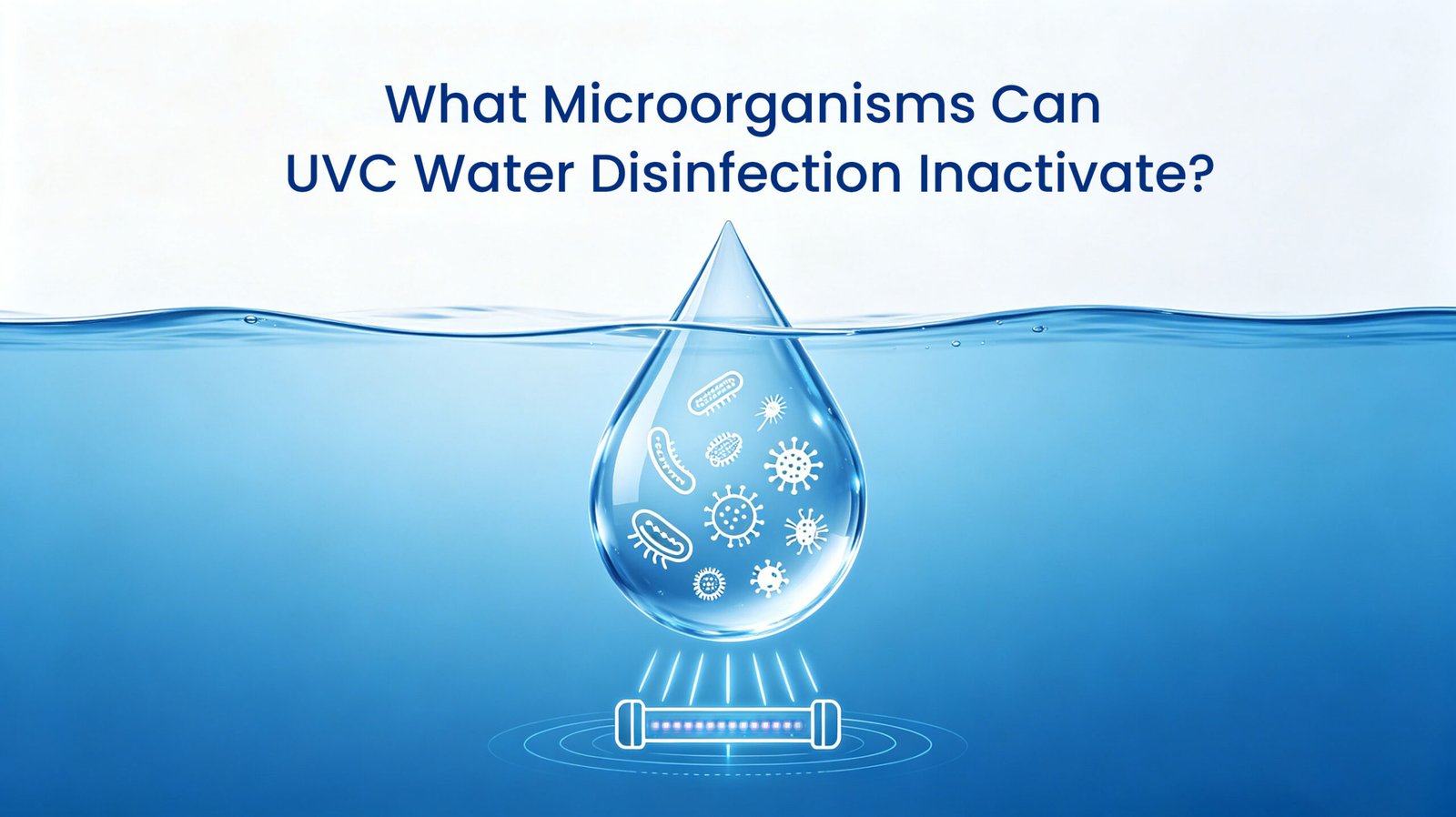
This article explains how UVC water disinfection inactivates microorganisms in...
As concerns over water scarcity and hygiene rise worldwide, the question is no longer just “Do we have enough water?”, but “Is our water truly safe to use?”. UVC LED water disinfection is emerging as a core technology to answer that question for both households and industries.

This process requires no chemical additives, leaves no residual by-products, and does not alter the taste or odor of water.
Low-pressure mercury lamps have been used in water disinfection for decades, but UVC LEDs are rapidly becoming the preferred solution.
• UVC LEDs are mercury-free, eliminating the risk of toxic heavy metal contamination and simplifying end-of-life handling.
• Conventional mercury lamps emit a broader spectrum, including wavelengths below 200 nm that can generate ozone, whereas UVC LEDs typically operate between 225–270 nm and do not produce ozone.
• UVC LEDs reach full output in milliseconds, with no warm-up time, enabling true “instant-on” disinfection.
• This makes them ideal for intermittent flow or flow-triggered systems such as point-of-use dispensers, faucets, and appliances, greatly reducing energy consumption.
• Studies show that appropriate UV doses, typically in the range of 16–40 mJ/cm², can achieve up to 99.999% (5-log) reduction of key waterborne pathogens including E. coli, Pseudomonas aeruginosa, and Cryptosporidium parvum.
• By optimizing irradiance, exposure time, flow rate, and UV transmittance, systems can be tailored for different applications and regulatory targets.
• UVC LEDs are small, vibration-resistant, and can be seamlessly integrated into water purifiers, dispensers, refrigerators, medical devices, and industrial systems.
• Advanced chamber designs with reflective surfaces and optical lenses make it possible to maximize UVC distribution in water even in very compact reactors.
• Compared with mercury lamps that require periodic tube replacement, high-quality UVC LEDs offer long lifetimes and maintain stable output even with frequent on/off cycling, significantly lowering maintenance costs.
With continual improvements in performance, UVC LED systems are now deployed in a wide range of real-world scenarios.
Point-of-use and point-of-entry drinking water systems: Final-barrier disinfection in residential and commercial purifiers, coolers, ice makers, and coffee machines.
Medical and laboratory water: Microbiological control for dental units, dialysis equipment, and lab-grade water without introducing chemical residues.
Food and beverage production: Safeguarding process water and ingredient water while preserving taste and composition.
Hospitality and public facilities: Safe water for hotels, restaurants, ships, RVs, and remote facilities using distributed treatment solutions.
Industrial and reclaimed water: Controlling microbial growth in cooling water, process water, and reuse systems to support safe water recycling.
Considering safety, efficiency, environmental impact, and design flexibility, UVC LED technology is already proving to be one of the most promising directions in water disinfection. As LED efficiency improves and costs decrease, UVC LEDs are not only replacing traditional UV lamps but are also unlocking new applications where on-line disinfection was previously impractical.
Looking ahead, UVC LED systems will increasingly combine with smart sensors, IoT connectivity, and advanced hydraulics to deliver monitored, traceable, and data-driven water safety, ensuring every drop can be trusted.
This article explains how UVC water disinfection inactivates microorganisms in...
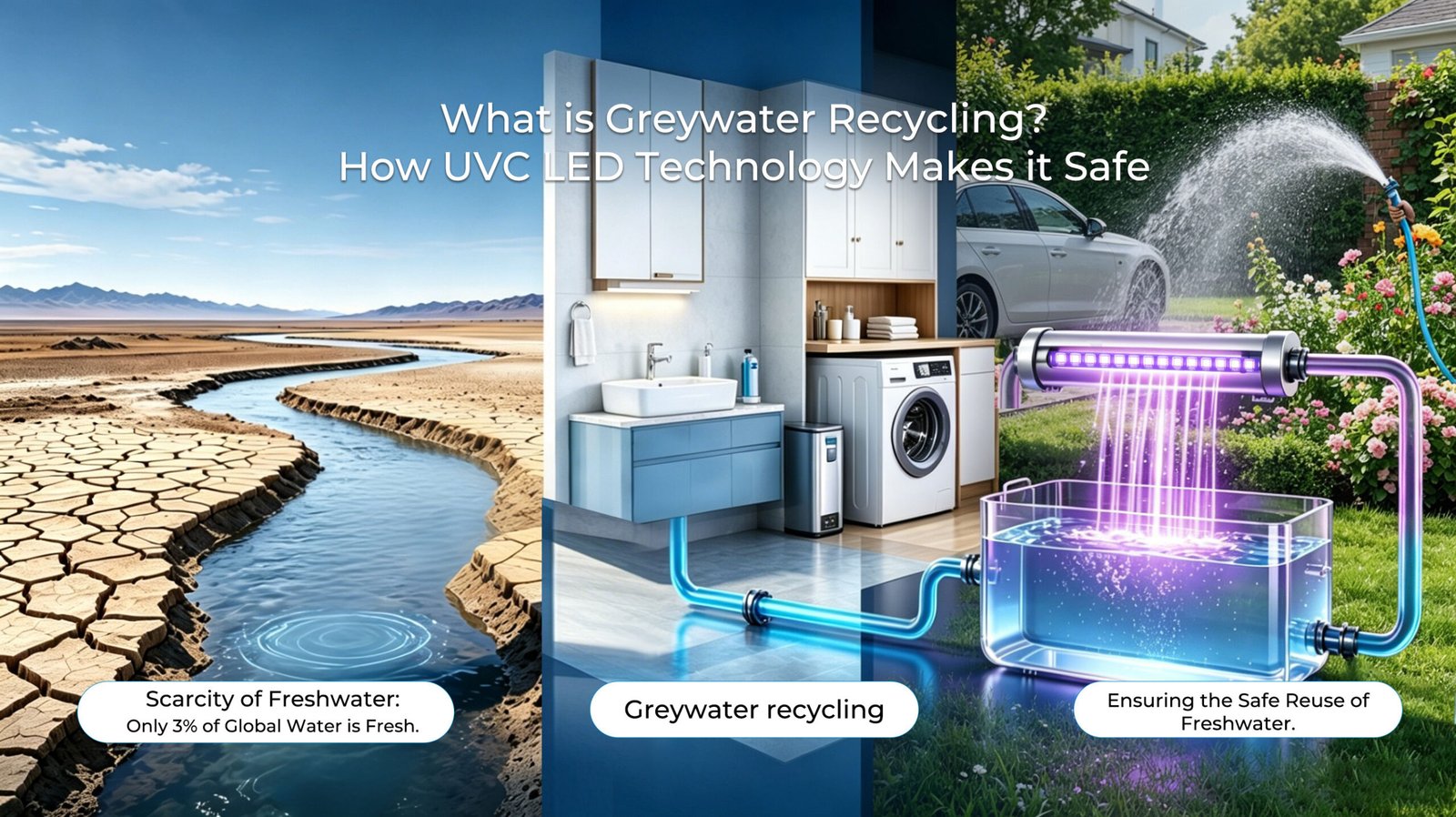
With only 3% of the world's water being fresh, the...
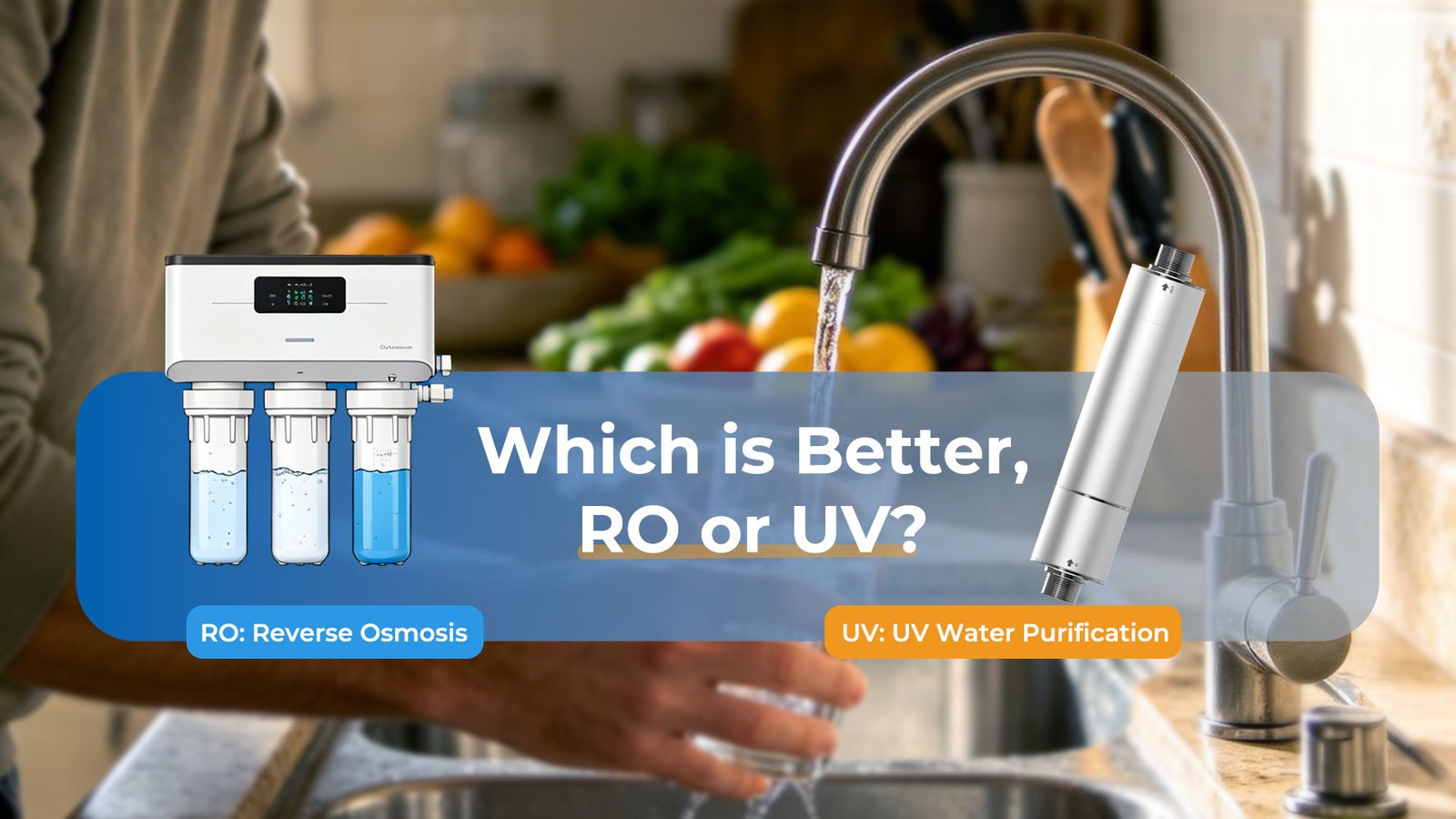
"This article is designed to help consumers make informed decisions...
A: Yes. With proper UV dose, UVC LEDs can inactivate a broad range of bacteria, viruses, and protozoa, achieving up to 99.99% or higher reduction of typical drinking water pathogens. Actual performance depends on UV dose (intensity, exposure time, UV transmittance) and correct system design.
A: Yes. UVC LED disinfection is a physical process: it uses light only, adds no chemicals, does not change taste, odor, or mineral content, and leaves no harmful by-products, provided the system is properly validated and operated with suitable filtration and clean plumbing.
A: No. Water-disinfection UVC LEDs typically operate around 260–280 nm, a range that does not generate ozone, and the devices are mercury-free, avoiding the heavy-metal risks associated with traditional mercury lamps.
A: Direct exposure of skin and eyes to UVC is harmful, so certified systems keep the LEDs fully enclosed inside a UV chamber with safety interlocks and shielding, ensuring users are not exposed during normal operation. Following the manufacturer’s instructions keeps usage safe.
Be the first to get our R&D updates, case studies, and engineering resources—subscribe now.
© 2026 INSTAUV LLC. All Rights Reserved.
We’re here to help! Reach out with any questions you may have.