Water is the source of life, yet in crowded public spaces it can quietly become a hidden weak link in public drinking water safety. Traditional disinfection methods are no longer sufficient to meet modern public health demands for zero pollution and zero residue. In an era of rising health awareness, we need more than just clean‑looking public drinking water; we need a protective barrier that can respond in real time, efficiently inactivate viruses, and avoid generating any harmful chemical by‑products.
Airports, transportation hubs, commercial complexes, and large-scale venues face multiple challenges, including high-frequency water usage, complex pipeline networks, and stringent regulatory requirements. Traditional chemical-based disinfection methods are no longer sufficient to meet today’s demands for safety, stability, and intelligent management.

The key to water safety in public scenarios is ensuring compliance at the point‑of‑use plus full‑chain disinfection throughout the entire system.
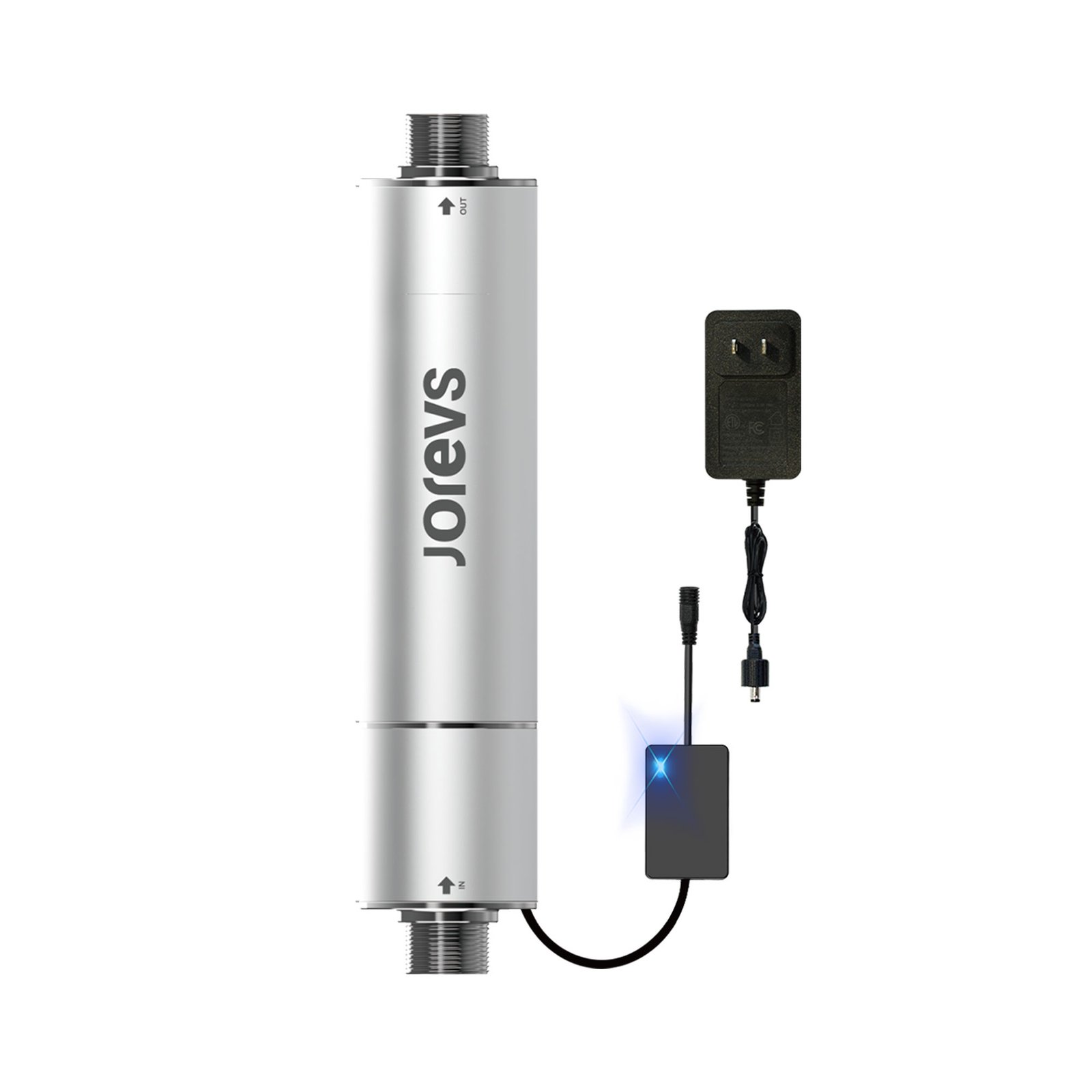
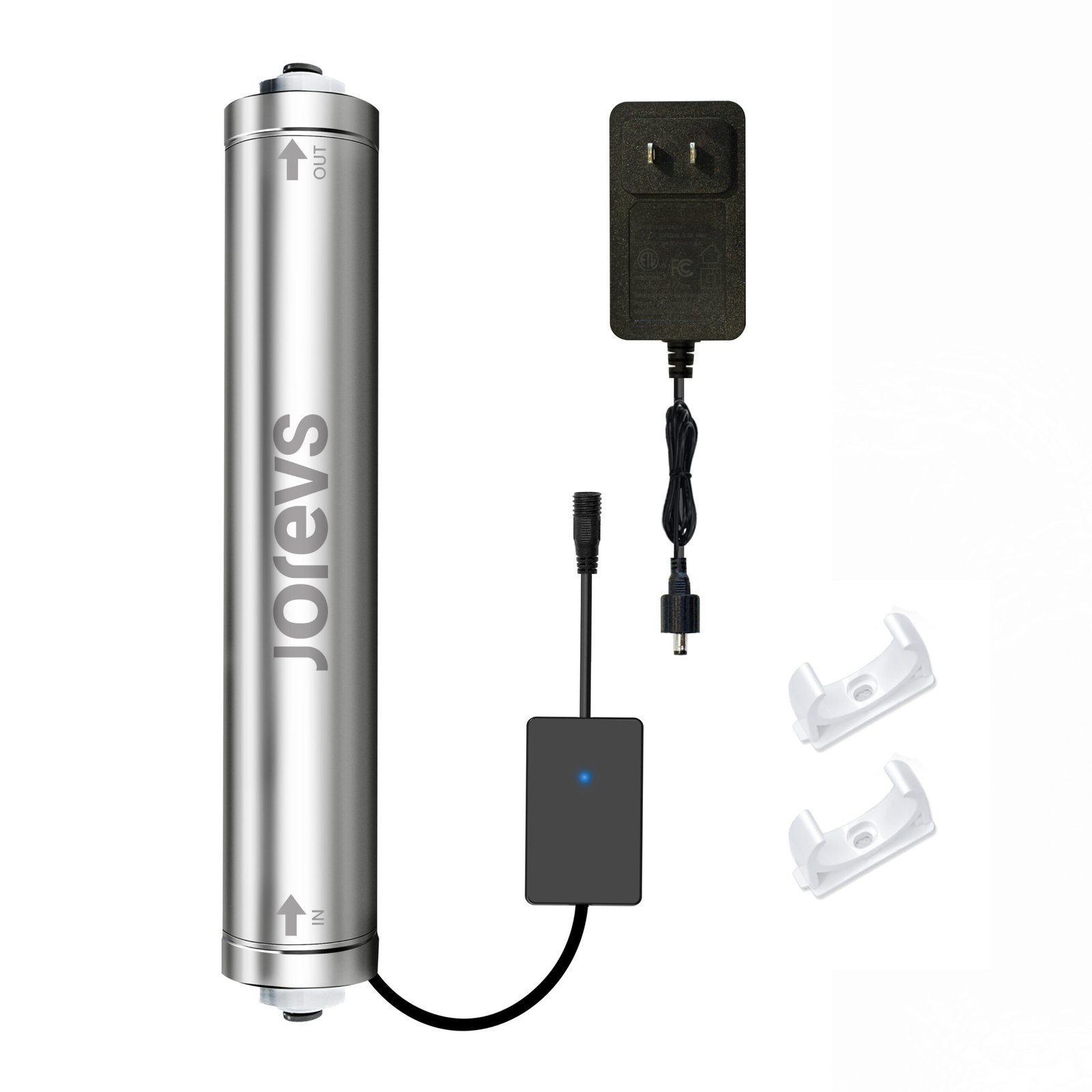
Uses 275 nm deep ultraviolet UVC LED to instantly destroy the DNA/RNA of bacteria and viruses in water, preventing them from reproducing and surviving.
Pure physical disinfection with no chlorine, no ozone, no chemical residues; it does not alter water taste or quality and produces no disinfection by-products.
It has become a preferred solution for these scenarios, particularly well-suited for point-of-use and recirculating water systems.
(office buildings / schools / airports / high-speed rail stations)
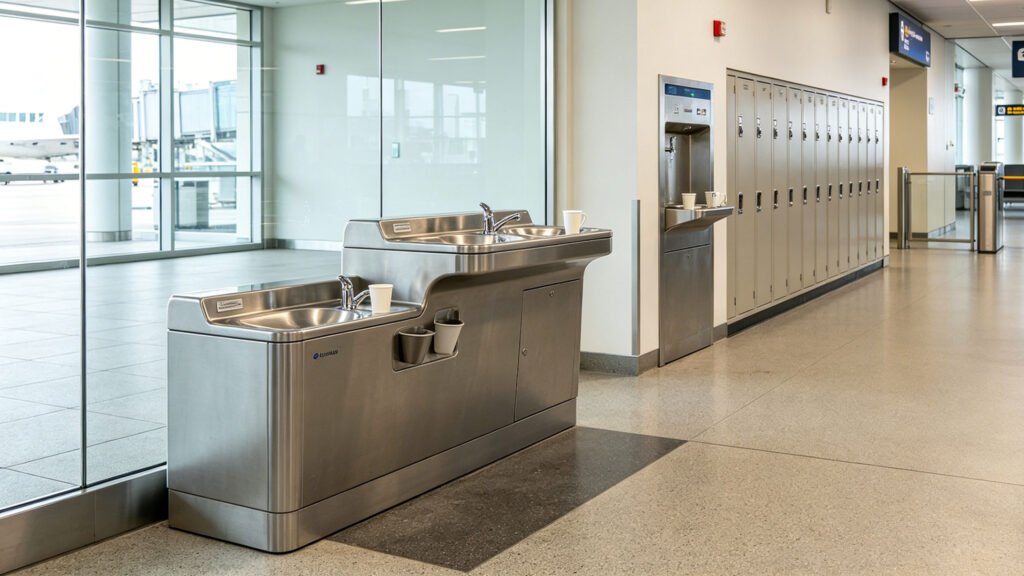
These systems typically serve large volumes of users and must provide cold, ambient, and hot water, requiring extremely high stability and water safety standards.
Application: UVC LED modules are usually installed at the final outlet or at the end of the internal water pathway.
Core function: Perform a “final-stage” disinfection of filtered water to ensure the safety of every glass dispensed in real time.
Process configuration: Pre-filtration (PP / activated carbon) → RO / ultrafiltration → UVC LED terminal disinfection
(high-rise residential buildings / office buildings)
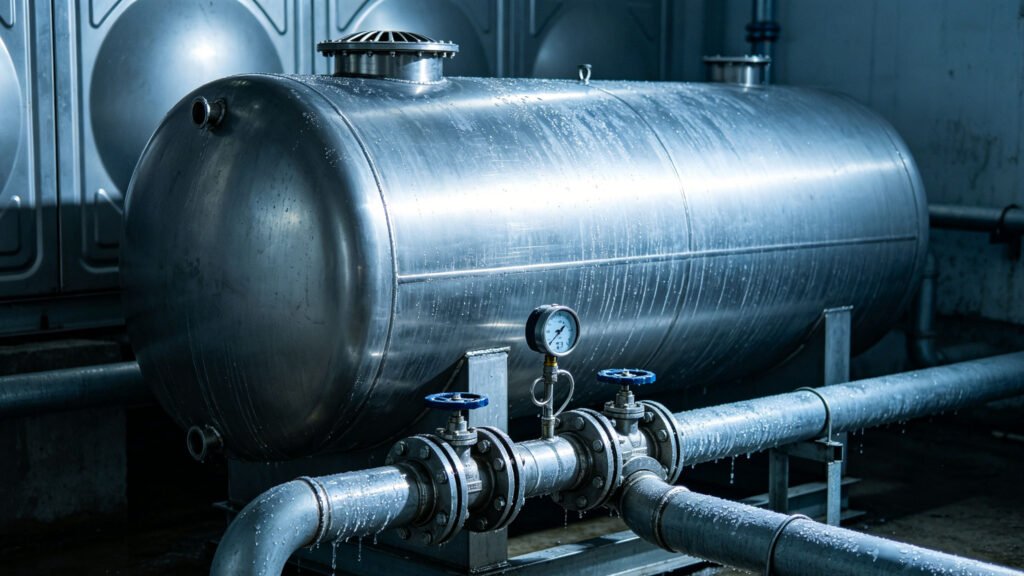
Secondary water supply represents the “last mile” of urban water distribution. Water stored in tanks or reservoirs for extended periods can easily promote bacterial growth, leading to secondary contamination.
Application: High-flow UVC LED disinfection systems are installed in pump rooms or at the outlet of storage tanks to centrally disinfect water before it reaches end users.
Core function: Replace or supplement traditional chlorine disinfection, avoiding the formation of disinfection by-products while effectively eliminating microorganisms that may grow in storage tanks.
Process configuration: municipal water inlet → non‑negative‑pressure equipment → water tank (UVC LED) → disinfection in pump room → distribution network
No chemicals are added; no residual chlorine, trihalomethanes, or heavy metals remain, and water taste is unchanged, making it purer and ready to drink directly. Mercury‑free and environmentally friendly, compliant with RoHS, non‑hazardous when discarded, with no hazardous‑chemical management pressure, suitable for high‑sensitivity settings such as hospitals and campuses.
No preheating required; full‑power disinfection starts instantly on power‑on, disinfecting water in real time with flow. Perfectly matches the intermittent, high‑flow, peak‑demand usage of airports, high‑speed rail stations, and office buildings, with frequent start‑stop cycles having no impact on light‑source life.
Light‑source lifetime ≥20,000 hours, with slow lumen decay, extending service life more than three times that of traditional mercury lamps and significantly reducing replacement and maintenance costs. Low‑voltage DC operation, cold‑light low‑power design, and self‑water‑cooling heat dissipation enable long‑term energy‑saving and low‑carbon operation.
Achieves comprehensive inactivation of common public‑water pathogens such as Escherichia coli, Staphylococcus aureus, norovirus, Legionella, and Giardia. Eradicates stubborn pathogens that chlorine cannot kill, effectively blocking cross‑contamination in secondary water supply and point‑of‑use drinking water.
Real‑time monitoring of UV irradiance, runtime, and disinfection status, with automatic alerts for abnormalities, greatly reducing manual inspection workload in buildings, campuses, and transportation hubs.
UVC LED disinfection reduces long‑term operational costs by cutting frequent tank cleanings, filter replacements, and manual inspections, while providing end‑to‑end protection against secondary contamination in public drinking‑water systems.
Greatly reduces frequency of tank cleaning, filter‑cartridge replacement, and manual inspections, cutting long‑term O&M costs by over 60%.
Mercury‑free, chlorine‑free, and low‑carbon, fully aligned with smart‑city and green‑building long‑term development.
Compatible with both new and existing water‑supply and drinking‑water equipment, enabling fast retrofitting without large‑scale replacement.
End‑to‑end blocking of secondary contamination, eliminating public drinking‑water health risks in crowded areas.

Be the first to get our R&D updates, case studies, and engineering resources—subscribe now.
© 2026 INSTAUV LLC. All Rights Reserved.
We’re here to help! Reach out with any questions you may have.