Today, the success of an aquaculture or livestock farm is no longer determined solely by feed, genetics, or price — it increasingly depends on whether the water is truly “clean”.
For recirculating aquaculture systems (RAS), high‑density cages and shrimp ponds; and for livestock livestock, flushing water, manure‑laden effluent and circulating drinking water — bacterial pathogens, vibrios, parasite eggs and other microorganisms in the water can become the triggers of disease outbreaks, fluctuating survival rates, higher medication costs, and even regulatory penalties.
Many farmers have already realized:
Traditional chlorine disinfection leaves chemical residues that, over time, affect water quality, gut health and product quality;
Conventional low‑pressure UV mercury lamps require warm‑up, consume significant energy, have limited lamp life, and the mercury‑containing lamps are increasingly restricted by environmental regulations.
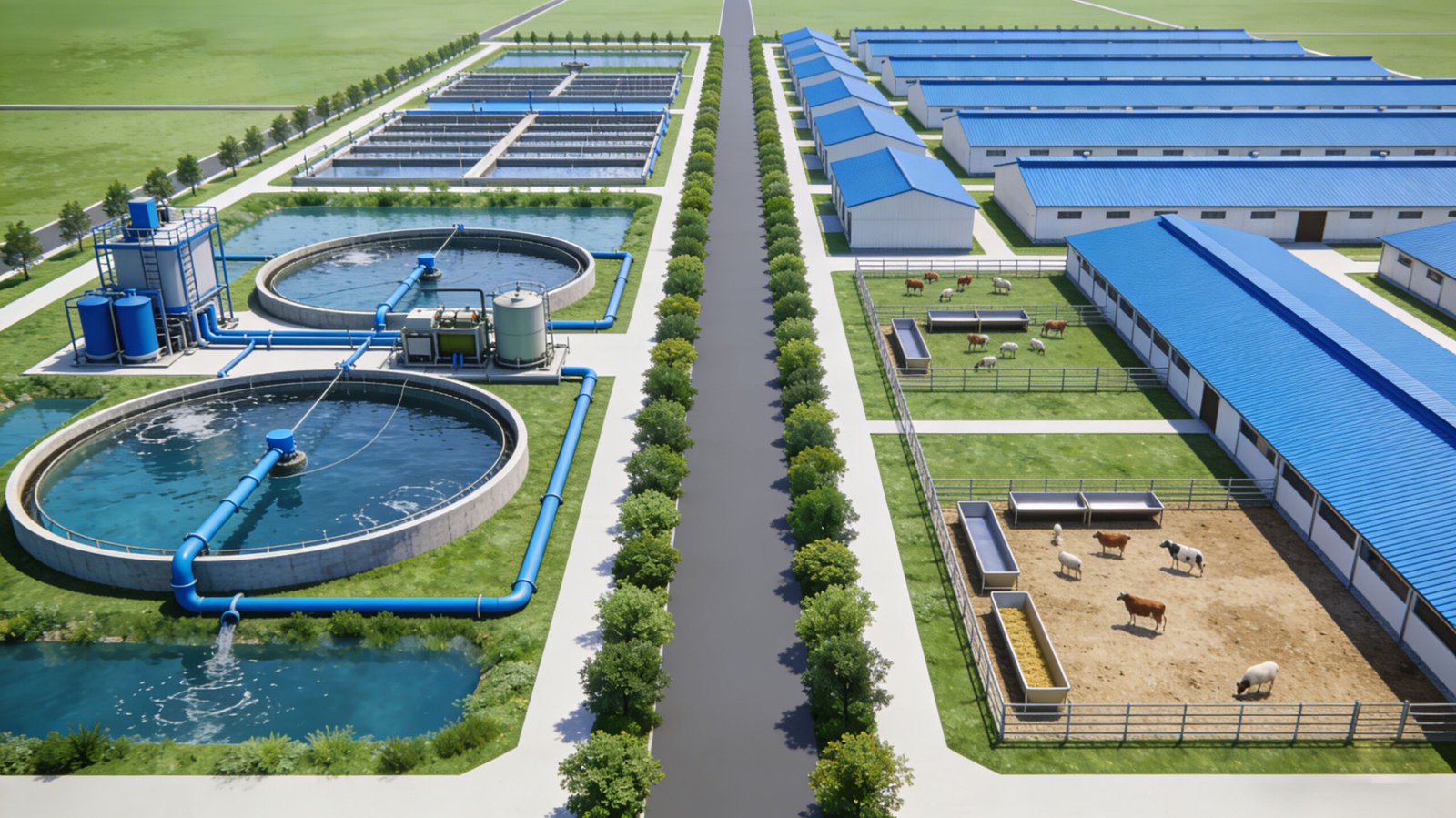
Aquaculture, especially recirculating aquaculture systems (RAS) and high‑density net pens and shrimp farms, places extremely high requirements on the microbial safety of water. If inflow, recirculated or effluent water is not effectively disinfected, it may introduce:
such as Vibrio parahaemolyticus and Aeromonas salmonicida
such as Yersinia ruckeri and Aeromonas hydrophila.
parasite eggs, algae and biofilm, which reduce dissolved oxygen, clog filters and pipe networks.
Scientific research has shown that ultraviolet light can effectively inactivate these common aquatic pathogens, significantly reducing disease outbreak risk. In some RAS setups using appropriate UV‑LED disinfection, fish and shrimp survival rates have been observed to increase by about 10%–25%, while antibiotic and biocide usage can be reduced.
With UVC LED water disinfection for aquaculture and livestock systems, you gain a mercury‑free, low‑energy solution that protects fish, shrimp, and livestock from pathogens in intake, recirculated, and effluent water, helping reduce disease risk, cut medication use, and support greener, more sustainable operations.
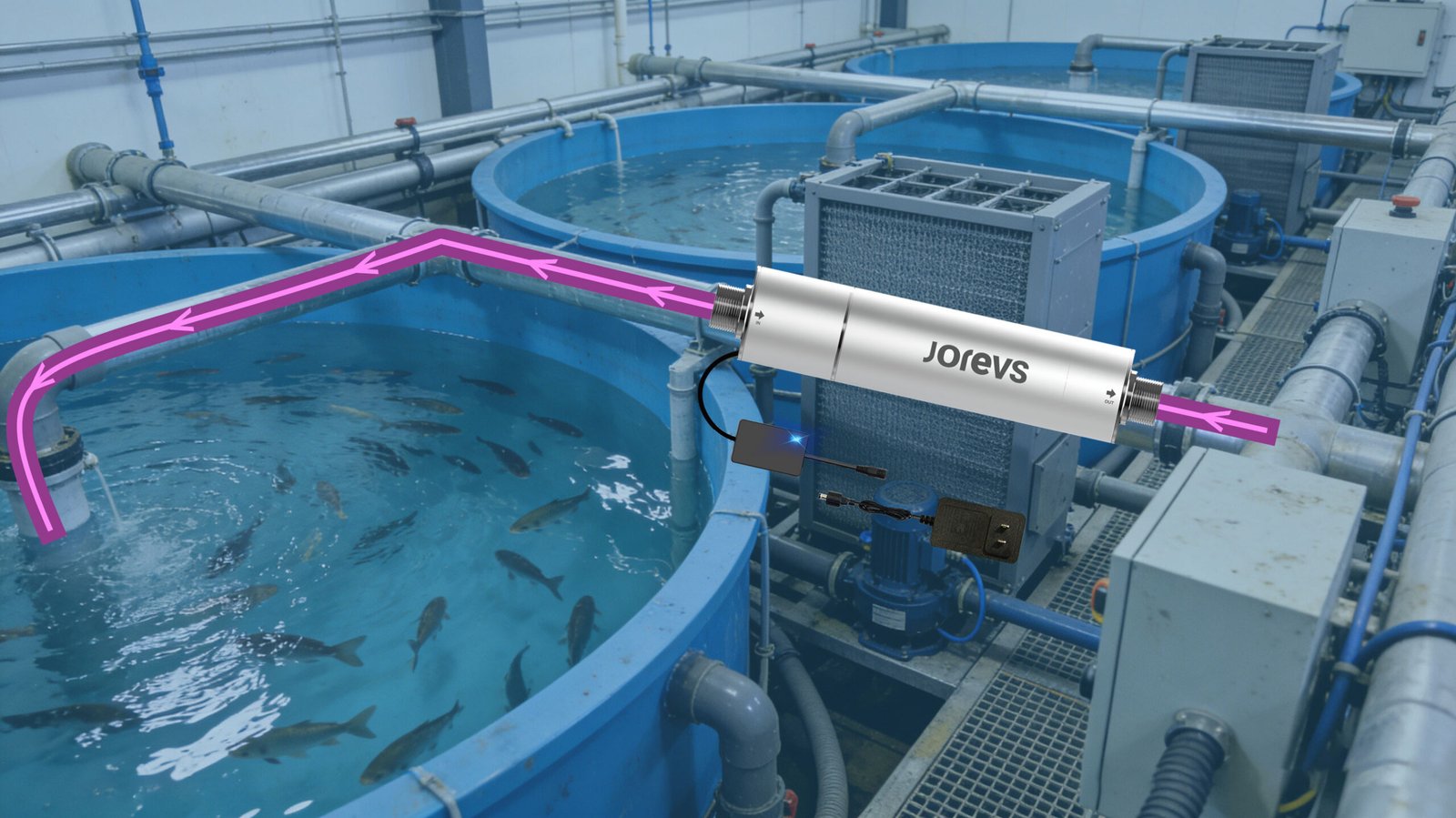


Ultraviolet (UV) disinfection technology uses specific wavelengths of ultraviolet light to destroy the DNA structure of microorganisms in water, causing them to lose their ability to reproduce and survive, thereby achieving instant sterilization. The entire process is purely physical and does not add any chemical substances.
UVC LED is fully mercury‑free, with no chemical additives or disinfection byproducts, making it compliant with the Minamata Convention and suitable for antibiotic‑free, green farm, and organic‑certified operations.
At 270–280 nm, UVC LED effectively inactivates common aquatic and livestock pathogens, achieving ≥5 log reduction when properly dosed and designed.
UVC LED delivers similar or better disinfection performance than mercury lamps at lower power, with a typical lifespan of 10,000–20,000 hours that reduces replacement and maintenance costs.
Modular UVC LED systems support flows from 1–10 m³/h to 50 m³/h and above, with optional flow monitoring, dose control, and 12–24 V DC / solar‑ready configurations for off‑grid farms.
As a next‑generation UV disinfection technology, UVC LED provides a more advanced, flexible, and sustainable solution for aquaculture and livestock water treatment.
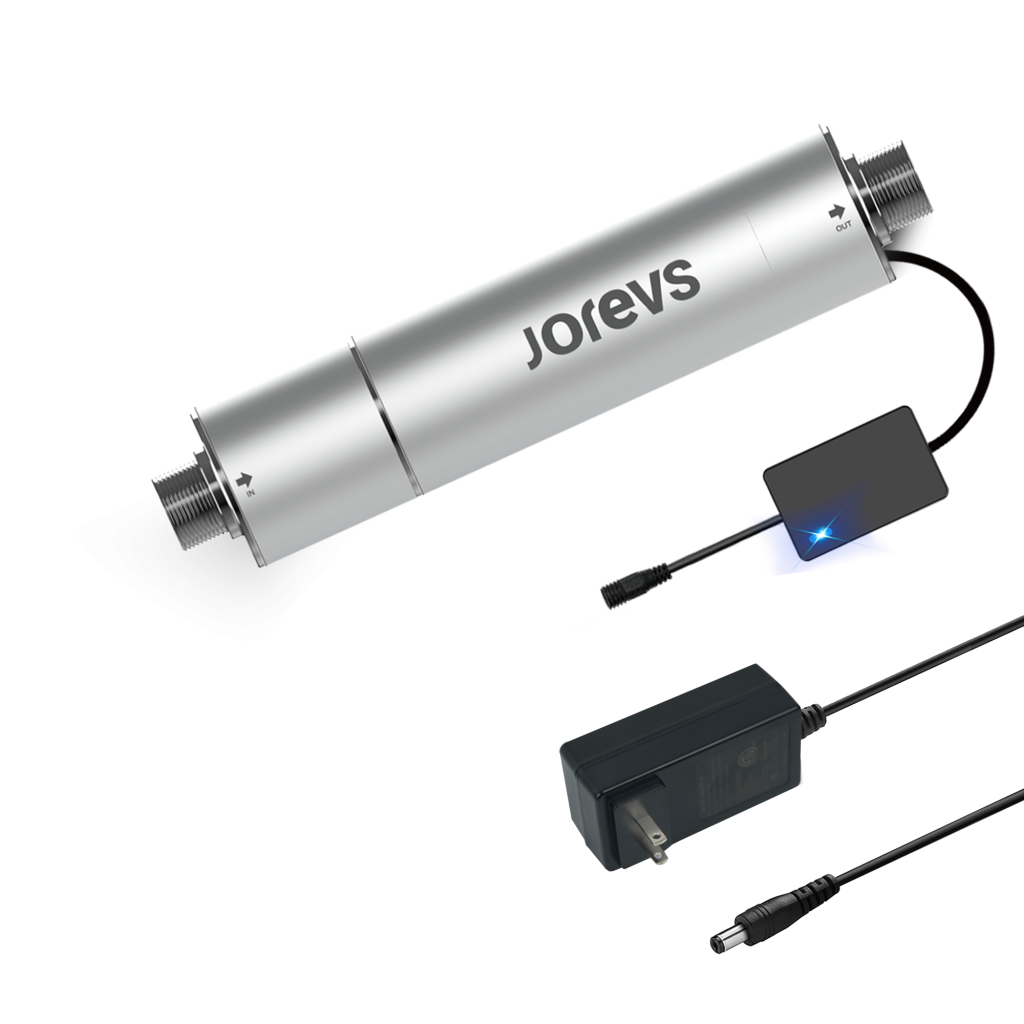
No chemicals. No mercury. No compromises.
Microbial Reduction
Operational Hours
Long‑life UVC LED modules reduce lamp replacement frequency and labor for maintenance, while energy savings lower power bills.
Fully mercury‑free, green, low‑carbon and water‑cycling‑ready, supporting your farm’s transition toward “antibiotic‑free” and “smart farm” standards.
By upgrading to a UVC LED water disinfection system, your farm gains four core benefits:
Be the first to get our R&D updates, case studies, and engineering resources—subscribe now.
© 2026 INSTAUV LLC. All Rights Reserved.
We’re here to help! Reach out with any questions you may have.

