Well water frequently harbors bacteria like E. coli, viruses, and parasites such as Giardia, posing health risks to households. Traditional chemical disinfection, like chlorination, proves inconsistent, alters taste, and requires ongoing monitoring. UVC LED systems provide instant, reliable inactivation by damaging pathogen DNA as water flows through, achieving up to 99.999% kill rates without byproducts.
Well water, as a decentralized water source, is highly susceptible to contamination from surface runoff, animal waste, and similar sources, often containing pathogenic microorganisms such as E. coli, Giardia, and Cryptosporidium.
Chlorine disinfection not only produces off-tastes and harmful byproducts (such as trihalomethanes), but also has limited effectiveness against chlorine-resistant microbes like Cryptosporidium, with dosages difficult to precisely control.
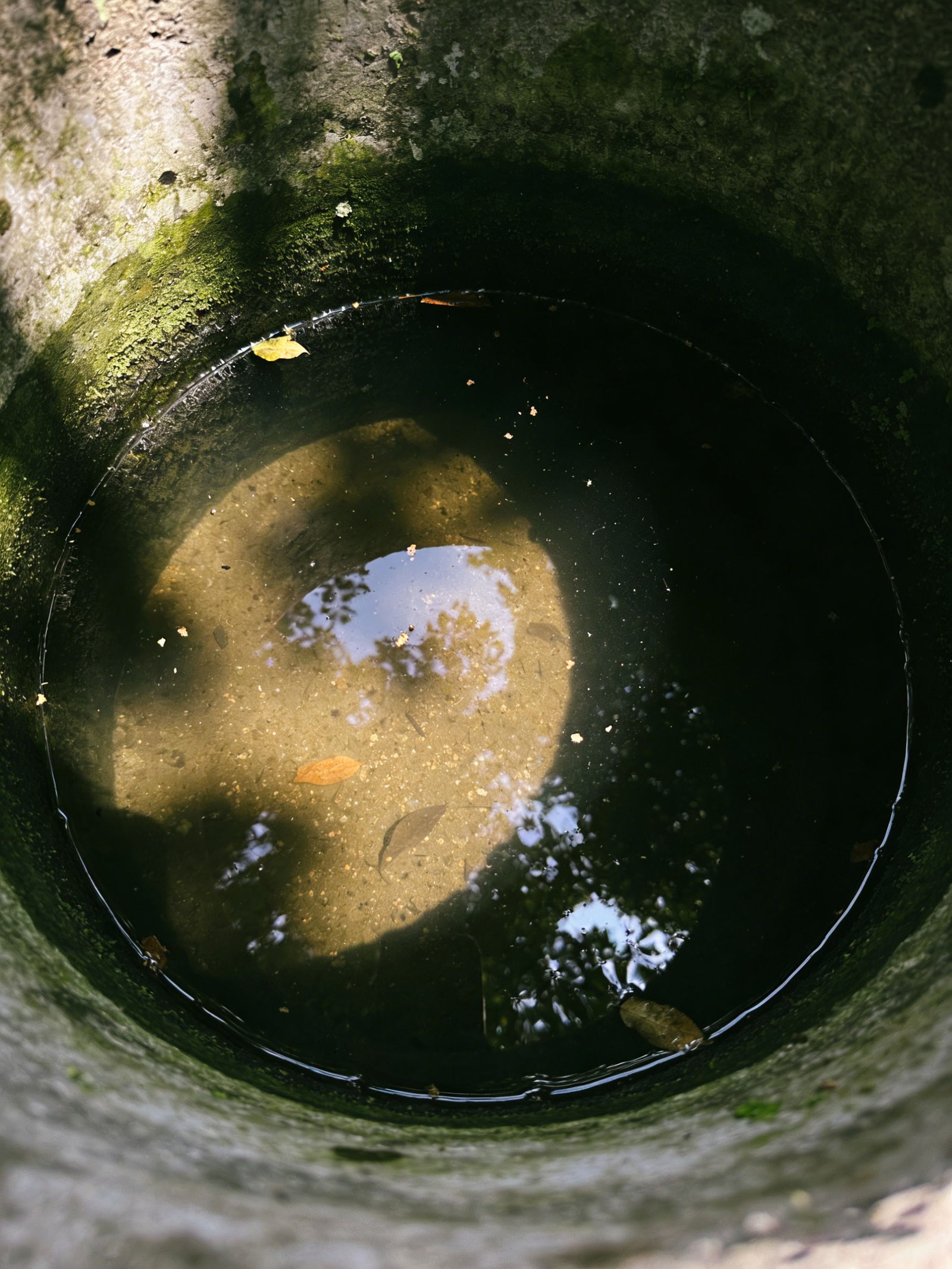
Common well water contaminants include bacteria like E. coli from animal waste or septic leaks, parasites such as Giardia and Cryptosporidium resistant to standard treatments, and viruses from surface runoff. Chemical pollutants like nitrates from fertilizers, iron and manganese causing staining, arsenic from natural deposits, and heavy metals like lead from old pipes also frequently appear. Physical issues such as sediment, hardness minerals (calcium/magnesium), and hydrogen sulfide gas add taste, odor, or scaling problems.
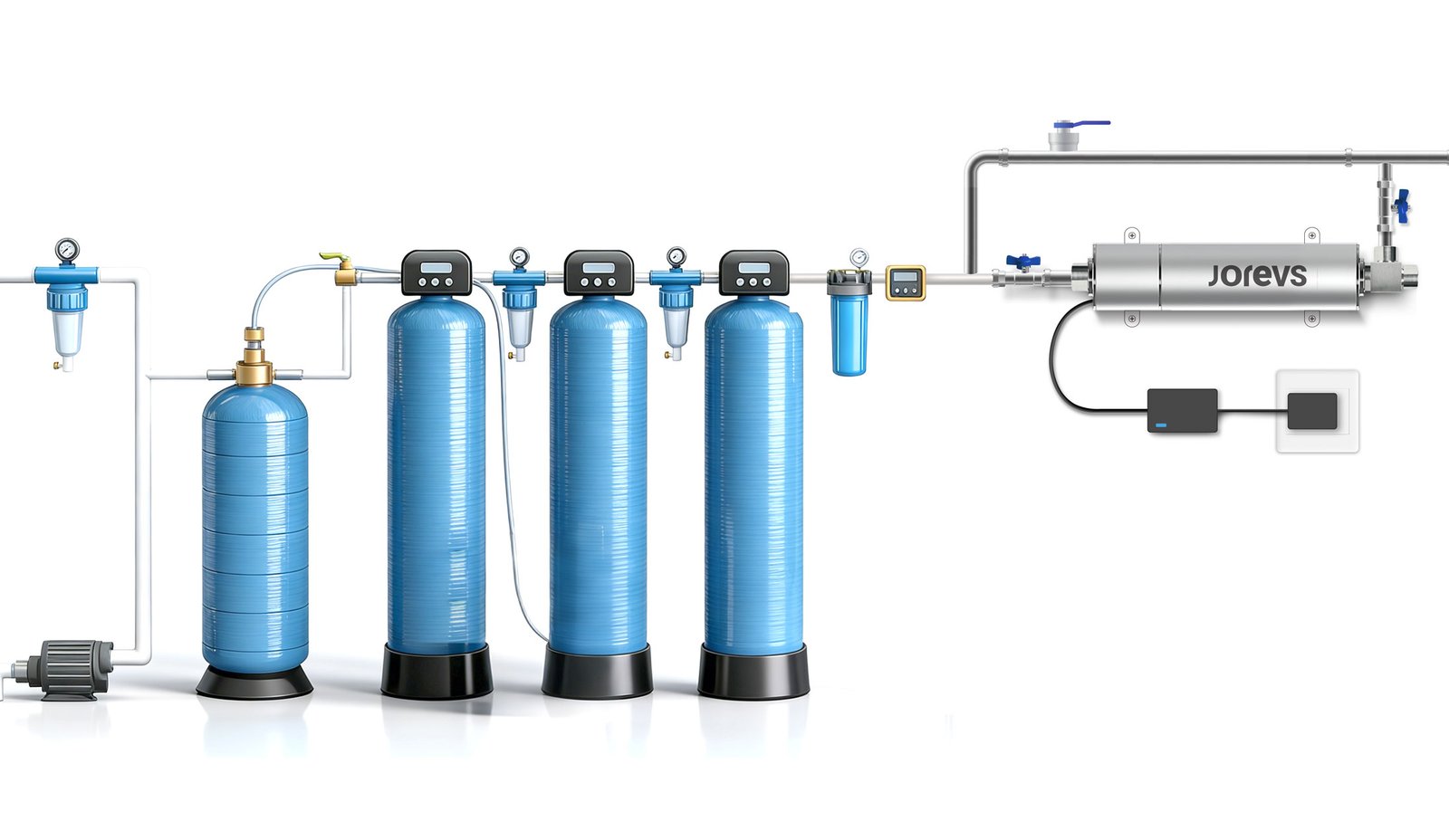
UV excels on microbes; pair with filters for full coverage.
Water first passes through pre-filtration to remove sediment, iron, and turbidity that could shield microbes from UV light. It then enters the UVC LED chamber, where targeted 260-280nm wavelengths penetrate and neutralize pathogens in seconds. This chemical-free process maintains natural taste and mineral content, integrating seamlessly into whole-house systems for point-of-entry (POE) or point-of-use (POU) setups.
Removes sediment, iron, and turbidity to ensure UV light reaches microbes.
270-280nm wavelengths neutralize E. coli, Giardia, and viruses as water flows through.
Modern UV systems use smart monitoring, including UV intensity sensors and lamp-life timers, to maintain performance.
Ultraviolet (UV) disinfection technology uses specific wavelengths of ultraviolet light (typically 254nm) to destroy the DNA structure of microorganisms in water, causing them to lose their ability to reproduce and survive, thereby achieving instant sterilization. The entire process is purely physical and does not add any chemical substances.
It can effectively kill the vast majority of waterborne pathogens, including Escherichia coli (E. coli), Staphylococcus aureus, Legionella, and various viruses.
It does not alter the taste, odor, or natural mineral content of the water, ensuring you drink the purest water.
Disinfection is completed the moment the water flows through the UV disinfection chamber, with no need to set up contact tanks or wait for any contact time.
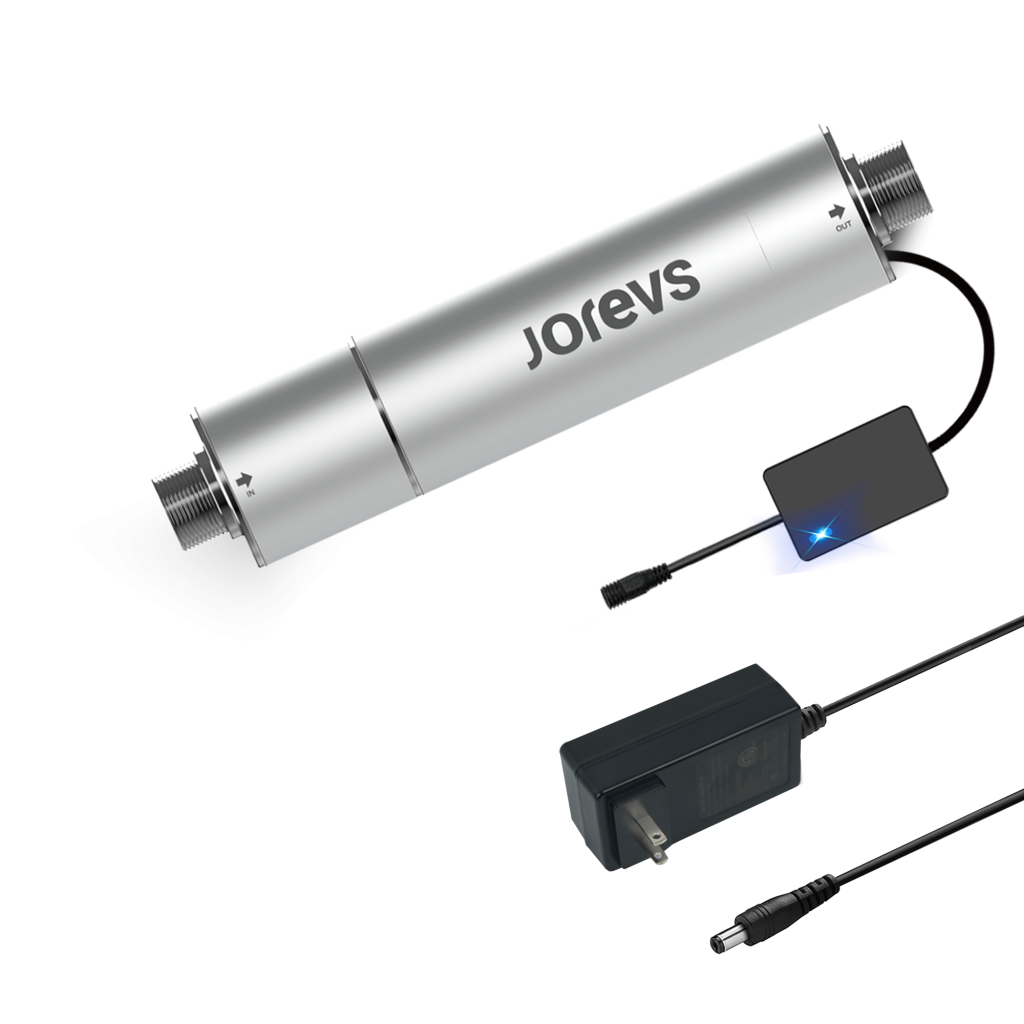
No chemicals. No mercury. No compromises.
Microbial Reduction
Operational Hours
Designed for decentralized water sources, this solution fits a wide range of residential, commercial, and rural well water needs.
Water may be filtered upstream. But true protection happens at the point of use. Integrate UV‑C LED disinfection into your systems and deliver complete microbial protection — exactly where it matters most.
Market homes with "Mercury-Free Water Safety" — a premium selling point in eco-conscious markets
Position as premium upgrade to standard filtration
Plug-and-play design reduces install time by 50%
40% lower lifecycle costs vs. mercury systems (energy + maintenance savings)
Quantifiable carbon reduction for ESG compliance
Solid-state reliability eliminates service calls for lamp failures
Be the first to get our R&D updates, case studies, and engineering resources—subscribe now.
© 2026 INSTAUV LLC. All Rights Reserved.
We’re here to help! Reach out with any questions you may have.

